Here are things to do with friends at home for two to six kids, sorted by age: 6 to 9, 10 to 12 and teens. They’re sorted by the kind of day, too: sleepover night, a snow day, no supplies or a yard to run around in.
Most can start within the hour with what’s already in the house. For gear you don’t have, several Indianapolis-area libraries lend board games, karaoke machines and yard games to cardholders.
For solo afternoons and whole-family ideas, our 100+ fun things to do with kids at home has the rest.
- By age: ages 6 to 9, ages 10 to 12, teens
- By situation: sleepover night, snow day, games with no supplies, make something, outside with friends, siblings
- Local: games and kits to borrow, when they need out of the house
Ages 6 to 9: Games and Projects for a Small Group
These work for two to six kids, with a grown-up nearby for the oven, the scissors and the referee calls.
- Fort build-off. Two teams get the same pile of blankets, chairs and clothespins and 20 minutes on a timer to build one of these simple forts. Each team gives the other a tour, and snack time happens inside.
- Spot It! is a matching card game for ages 6 and up and two to eight players, and a round takes 15 minutes or less. Players race to find the one symbol two cards share.
- Stuffed animal vet clinic. Each guest brings a stuffed animal. One kid runs the front desk with a clipboard, and the rest are vets with bandages, a toy stethoscope and a chart for every patient.
- For cards, UNO (ages 7 and up, two to 10 players) stretches to a big group, and Exploding Kittens (ages 7 and up, two to five players, about 15 minutes) fits a smaller one.
- Pretend restaurant. Kids write the menus, take the grown-ups’ orders on a notepad and serve snacks that need no stove: crackers and cheese, ants on a log, apple slices a grown-up cuts.
- Build a ball run on a door. Tape paper towel and toilet paper tubes on with painter’s tape, give each kid one section and race Ping-Pong balls or pom-poms to the bottom.
- Freeze dance: one kid runs the music, and anyone still moving when it stops does five jumping jacks before the next song.
- Book character party. The Indianapolis Public Library keeps a list of printable activity sheets for book characters, including Dog Man, Captain Underpants and Pete the Cat, and suggests them for a character-themed party. Pick one character and plan the afternoon around the book.
Over winter break, add a holiday round. Dreidel works for pennies, buttons or chocolate coins: each player puts one in the pot, then nun means nothing, gimel takes the pot, hei takes half and shin puts one in. On New Year’s Eve, count down at noon with paper hats and a pots-and-spoons parade through the house.
Related Article: Tips for Attending or Hosting a Playdate
Ages 10 to 12: What to Do With Friends at Home
A group of 10-year-olds or 12-year-olds can play a team strategy game, run a cooking contest, build an escape room for the other team or shoot a movie trailer on a phone. A grown-up sets up the kitchen ideas and stays in the house.
- Codenames. Two teams, each with a spymaster who gives one-word clues to steer teammates to the right cards. It’s for ages 10 and up and four or more players, and a game runs about 15 minutes.
- Mystery-basket cooking contest. Each team gets the same four pantry items and 30 minutes to turn them into a snack. A grown-up runs the stove and judges on taste and the name of the dish.
- Build an escape room in a bedroom for the other team: three or four clues that lead to each other, a code hidden in a book and a locked box at the end. Then swap rooms.
- Movie trailer. Pick a genre, sketch five shots on index cards and film them in order on a phone. The trailer premieres after dinner.
- Trivia night, where each kid writes five questions in a category they know cold (a book series, a sport, a video game) and hosts that round.
- Sushi Go! (ages 8 and up, two to five players, 15 minutes) and Just One (ages 8 and up, three to seven players, 20 minutes) both leave time for a rematch before dinner.
- Living room mini golf. Cups on their sides for holes, books for ramps, rolled towels for walls. Each kid designs one hole and names it.
Teens: Karaoke, a Game Bracket and Dinner From Scratch
For teens, the host’s part is mostly food, floor space and a pickup or lights-out time the parents agreed on. Say one house rule out loud before the friends arrive: no fire and no internet “challenges.”
- Karaoke night. Three of the libraries in the library list lend karaoke gear. A phone, a speaker and lyrics on the TV do the same job.
- Video game bracket. Draw a tournament bracket on poster board, seed it by random draw and play down to a champion. The ESRB ratings are in the sleepover section.
- Telestrations is the telephone game on paper: draw the word, the next player guesses the drawing, the next draws the guess. The 12-player edition is for ages 10 and up and four to 12 players and takes about 30 minutes.
- Run a one-shot Dungeons & Dragons adventure with one player as the dungeon master. Westfield Washington Public Library includes Dungeons & Dragons in its Teen Library of Things.
- Cook dinner from scratch. Homemade pizza dough, a taco bar or breakfast for dinner, with teens at the stove and a grown-up in the house.
- Clothing swap: each guest brings a bag of clothes they’re done with and the group trades. The leftovers go in a donation box.
- Record a podcast episode on a phone. Pick a topic and assign a host and guests. Keep it to 20 minutes.
Sleepover Night, Start to Finish
A sleepover or slumber party goes easier with a loose plan. Write it on a whiteboard or the fridge so guests know what’s next.
- Arrival: a snack and one big-energy game, like Sardines or freeze dance, before anyone unpacks.
- Dinner: make-your-own pizzas on English muffins, naan or tortillas. Set the toppings out in bowls and let each kid build one; a grown-up runs the oven.
- Movie or game: pick it before guests arrive, by rating (below), and tell the other parents.
- Lights down: flashlights and a made-up story where each kid adds one sentence, then a lights-out time the kids heard about in advance.
- Morning: pancakes or a cereal bar, then pickup.
What to Ask, and What to Tell, Before a Sleepover
Before a child sleeps over, the American Academy of Pediatrics suggests asking the host five things: whether there are guns in the home and how they’re stored, who will watch the kids (and who will be home all night), whether there’s a pool or trampoline, what the rules are for movies and video games and whether there are pets.
On guns, ask it plainly: “Is there an unlocked gun in your house?” Guns should be stored unloaded and locked, with the ammunition locked up separately, and talking to kids about the danger isn’t enough. If an answer doesn’t sit right, suggest having the kids at your house instead.
Hosts can answer those questions up front and ask each family about food allergies, pet allergies, other health issues and house rules. A parent who isn’t comfortable with an overnight can suggest a “lateover” or “sleepunder” instead: pajamas, games or a movie, then home to sleep.
Picking the Movie or Video Game by Rating
A G movie admits all ages, but the Motion Picture Association says G doesn’t mean a children’s movie. PG means some material may not be suitable for children, and PG-13 means some may be inappropriate for children under 13.
Video games carry ESRB ratings: E is generally suitable for all ages, E10+ for 10 and up and T for 13 and up. Each rating’s content descriptors name what triggered it.
For a birthday slumber party, these local businesses set up themed tent or teepee sleepovers at your house and come back to take them down:
- Slumber U: Zionsville, Carmel, Fishers, Westfield and Indianapolis
- Slumber Squad: Hamilton County towns and Zionsville
- CozyCampers Indy: Carmel, Fishers, Noblesville, Westfield and Zionsville
- Dreamy Sleepover & Party Co.: based in Fishers, with free delivery within 15 miles
Snow Day With the Neighbor Kids
When school is canceled and the neighbor kids are at the door, run the day in shifts: outside until gloves get wet, inside to warm up, back out.
That matches the American Academy of Pediatrics’ cold-weather advice: several thin layers, insulated boots, mittens or gloves and a hat. Young children need one more layer than an adult would wear.
Change kids out of wet clothes right away and bring them in for regular warm-up breaks. Children lose heat faster than adults.
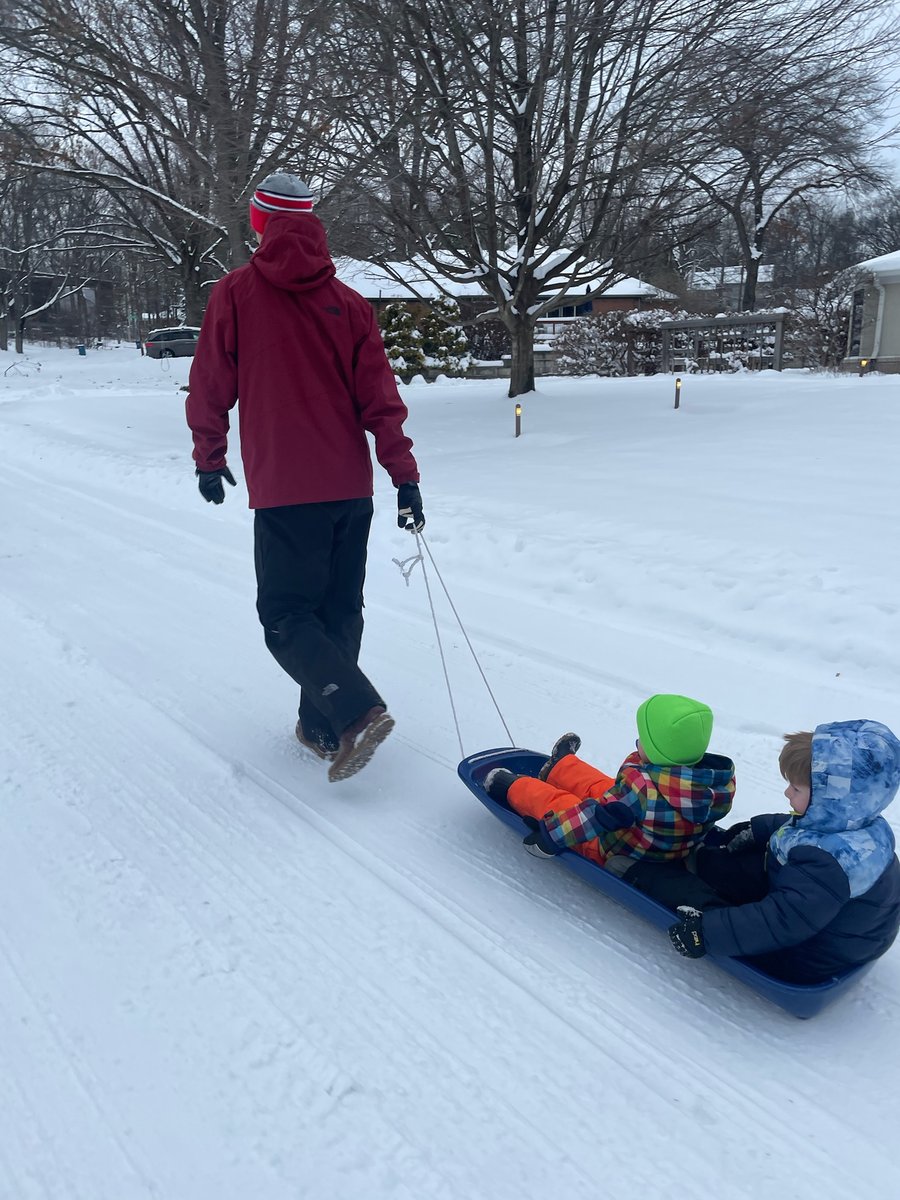
- Snow fort war. Two teams build walls 20 steps apart (walls only, no tunnels or roofs), then a snowball fight with three rules: soft snow only, no ice, nothing at faces.
- Snow sculpture contest, anything but a snowman. A grown-up judges from the window in categories like tallest, funniest and most likely to fall over.
- Paint the snow with spray bottles of water and a few drops of food coloring.
- Cocoa bar for the warm-up shift. Hot cocoa, marshmallows, crushed candy canes and whipped cream, set out by the door where the wet gear comes off. A batch of snow ice cream is the cold version.
- Sled races, two at a time, at one of the sledding hills in Indianapolis, with a grown-up at the bottom.
- Last winter, Lawrence Community Park, at 5301 N. Franklin Road, kept free loaner sleds in a little red container next to its sledding hill. The city announced that season’s sled library on Dec. 5, 2025.
For a whole day of it, our snow day list has 30 indoor and outdoor ideas.
Sledding and Cold-Weather Safety
For sledding, the AAP says to sit up or go feet first, never lying down headfirst. Pick a snow-covered (not icy) slope with a flat run-out at the bottom, away from trees, fences and cars.
Kids under 12 need a grown-up watching, and preschoolers sled apart from older kids and teens.
Put a helmet on sledders, and pick a sled that steers over a snow disk or inner tube, which give a rider less control.
The AAP says to generally skip outdoor play when the temperature or wind chill is below minus 15 degrees Fahrenheit, cold enough for exposed skin to start freezing within minutes.
Frostbite starts as skin that hurts or burns, then goes numb. It can turn white or pale gray and blister, so check fingers, toes, ears and noses.
For frostbite, bring the child inside, warm the skin gently with warm (not hot) water without rubbing it and get medical care. Shivering with unusual lethargy, clumsiness or slurred speech can mean hypothermia, and that’s a 911 call.
Games With No Supplies
These need nothing but the players, and most need at least four.
- Sardines. One player hides. Each seeker who finds the hiding spot squeezes in without a sound, until the last seeker finds the whole pile. It works with four to eight kids and a house with closets.
- Charades in two teams, one minute a turn on a phone timer, with the other team picking the movie, book or animal.
- Mafia, for tweens and teens, needs six or more players. A narrator has everyone close their eyes and secretly taps two as the mafia. Each “night” the mafia knocks someone out, and each “day” the town votes on whom to accuse.
- Two Truths and a Lie: each player says three things about themselves, and the group guesses which one is false.
- Ninja. Players stand in a circle and strike a pose. In turn, each makes one quick move to tap another player’s hand; a tapped hand goes behind the back, and two tapped hands means out.
- Rock, paper, scissors tournament: each loser joins the winner’s cheering section, so the final is two players and a crowd.
Make Something Together
A project gives the group something to show at pickup. For younger kids, grown-ups handle the oven, the knives and the hot glue gun.
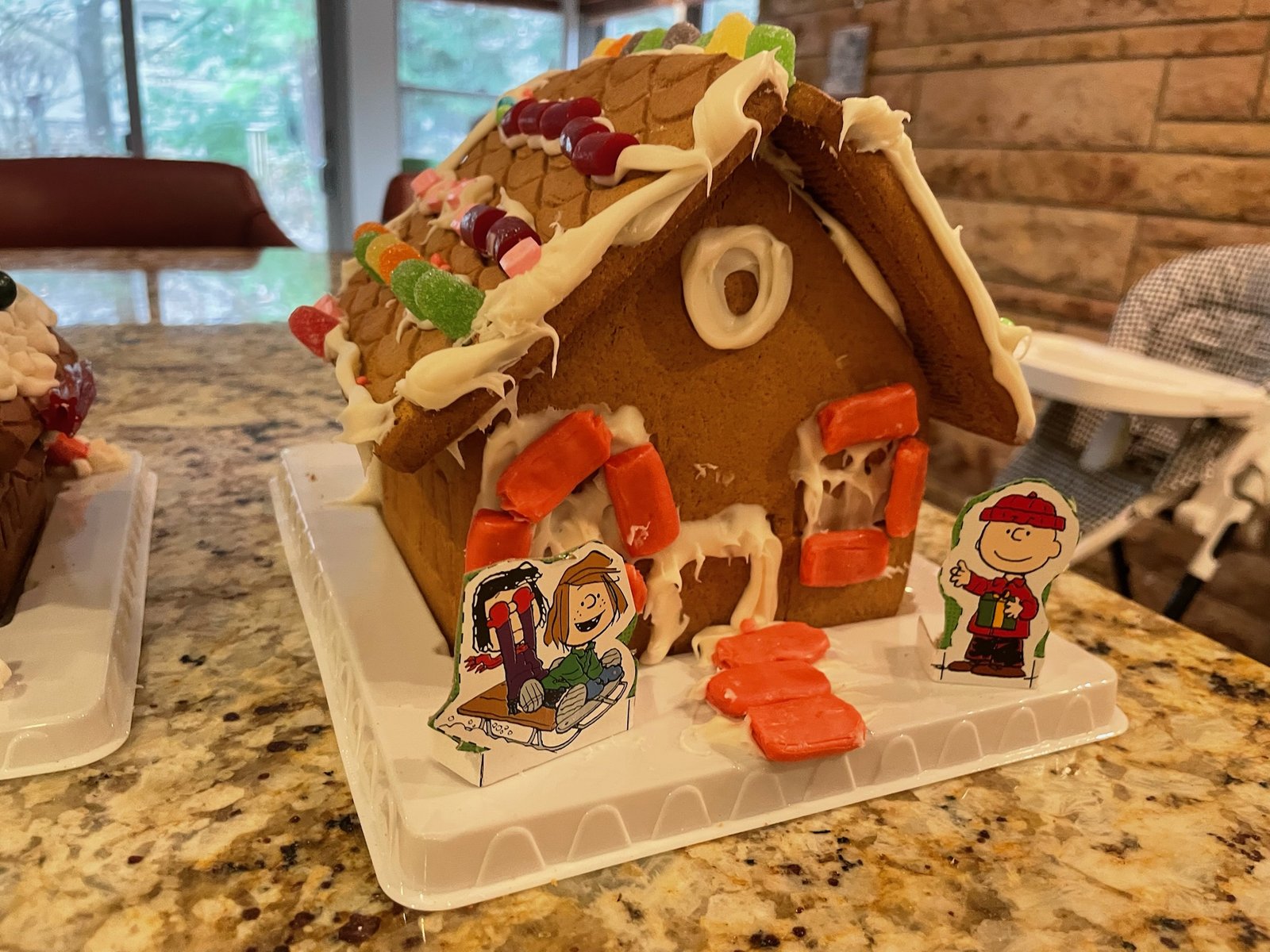
- Gingerbread build-off. Split into teams for gingerbread or graham-cracker houses held together with thick frosting. Give each team the same candy pile and a theme: a ski lodge, a lighthouse, the house across the street.
- Cookie decorating. Bake sugar cookies ahead and set up a table of frosting and sprinkles. Nobody tastes raw dough or batter: the CDC warns that raw flour can carry E. coli and Salmonella, and raw eggs can carry Salmonella. Bake it first, or buy dough whose label says it can be eaten without baking.
- Make a board game from a file folder: draw a path, add dice or a spinner and a stack of cards with rules the group invents, then play it.
- Holiday cards on an assembly line, for Christmas, Hanukkah, Kwanzaa or New Year’s. One kid folds, one draws, one adds stickers and one writes the message.
- Paper snowflake contest. Fold a square of paper in half on the diagonal, then twice more, cut notches along the edges and unfold. Tape the winners to a window.
- Comic jam: each kid draws one panel, then passes the page. Nobody sees the whole story until it’s done.
- Run a science fair from our easy science experiments using household stuff. Each pair of kids picks one, runs it and presents the result to the grown-ups.
After any baking project, wash hands, then wash bowls, utensils and counters with hot, soapy water.
Things to Do Outside With Friends
Winter dark comes early, which suits the first two. The warm-weather version is our list of things to do outside this summer at home.
- Flashlight tag. “It” holds the flashlight and tags players by catching them in the beam.
- Ghost in the graveyard: the ghost hides while the rest count “one o’clock, two o’clock” up to midnight at home base, then go looking. Whoever spots the ghost yells, and the group races back to base before the ghost tags someone.
- Capture the flag. Split the yard down the middle, give each team a bandanna to guard and send tagged players to the other side’s jail until a teammate frees them. Plan on six or more players.
- Backyard Olympics. Five events, such as a long jump, a crab-walk race and a flying disc toss, then paper medals.
- For tweens and teens, a neighborhood photo scavenger hunt: a list of 15 things to photograph, teams of two or more and a grown-up’s boundaries and return time.
Fun Things to Do With Siblings at Home
For siblings a few years apart, pick projects they build together, like a fort, a ball run or a gingerbread house, over head-to-head games. Take turns choosing, and give the younger one a real job: scorekeeper, DJ or the one who yells “go.”
With a baby or toddler in the house, keep game pieces, coins, marbles and balloons off the floor. Babies and toddlers are at the highest risk of choking, the AAP says, and many choking incidents happen when older brothers or sisters give small objects to a younger child.
Borrow Board Games, Karaoke Machines and Kits From the Library
Several Indianapolis-area libraries lend games and party gear to cardholders. Here’s what each lends and the rule a parent needs.
- Carmel Clay Public Library: board games and kits, four at a time for three weeks. The Gadget Collection, which includes a karaoke machine and an ice cream maker, lends up to four gadgets for seven days to CCPL cardholders, from the Main Library’s second floor.
- Westfield Washington Public Library: a Teen Library of Things for teen cardholders, with karaoke, Dungeons & Dragons, escape-room games and laser tag. One kit at a time, for up to one week.
- Hamilton East Public Library (Fishers and Noblesville): two board games and two yard games at a time, 14 days and renewable, for cardholders of all ages.
- Hussey-Mayfield Memorial Public Library (Zionsville): two board games at a time with an HMMPL card, picked up and returned at the Zionsville Branch. The Library of Things also has a cornhole set.
- Greenwood Public Library: about 100 board games plus a separate kids’ board game collection. Games go out for seven days.
- Johnson County Public Library: board games at every branch, lawn games, karaoke machines, a portable projector kit and a Nintendo NES Classic with 30 games. Board games, lawn games, karaoke and the projector go out for three weeks, and a child’s My First Library Card works for the Library of Things too.
Two more lend only to adults, so a parent checks out for the group. Plainfield-Guilford Township Public Library’s Library of Things, for borrowers 18 and older, has board games, giant chess, Giant Connect 4, a portable projector and a bubble machine, five items for seven days.
The Indianapolis Public Library’s Library of Things, at six branches, is also for adults and leans toward science experiment toolboxes, musical instruments and sewing machines.
When They Need Out of the House
When the house has had enough, these guides cover the rest of the Indianapolis area:
- Free indoor places to play in Indianapolis and nearby
- Indoor things to do in Indianapolis with kids
- Places for families to play board games
- Activities for teens and tweens around Indianapolis
- Things to do over winter break in Indianapolis
- Winter family activities in Indianapolis