

International Montessori School
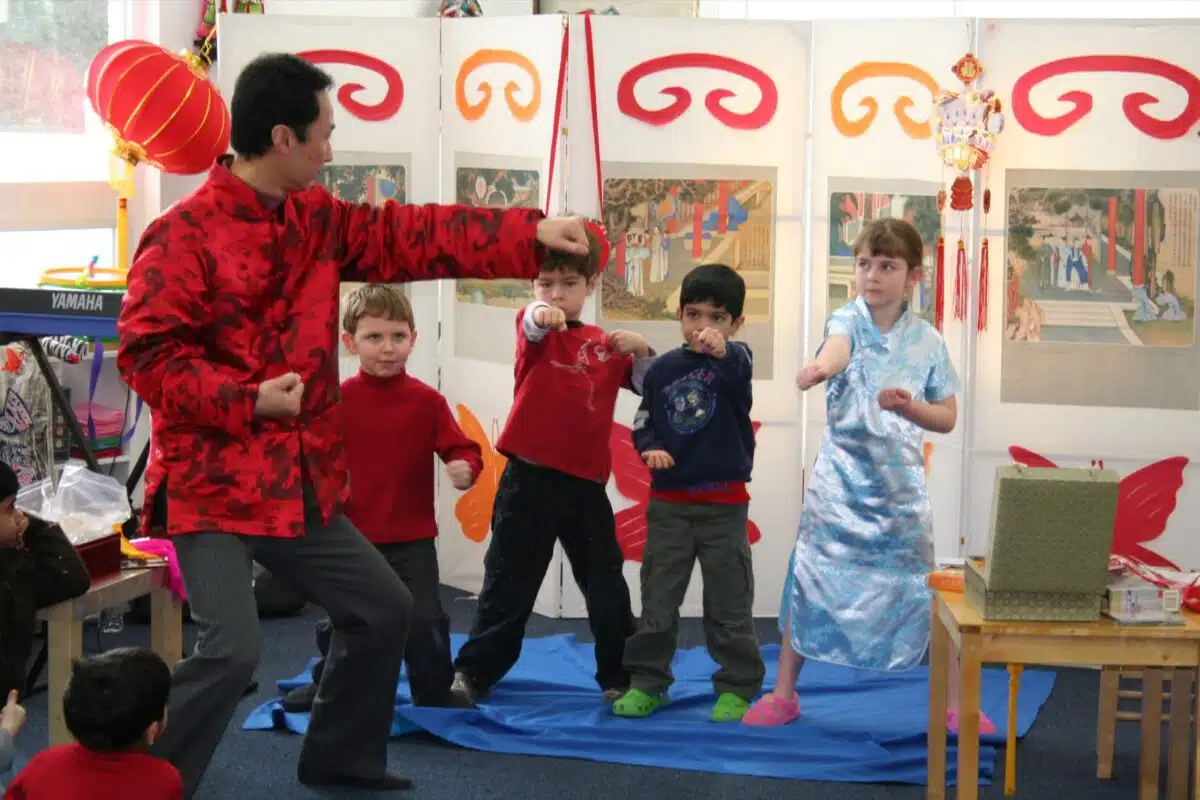
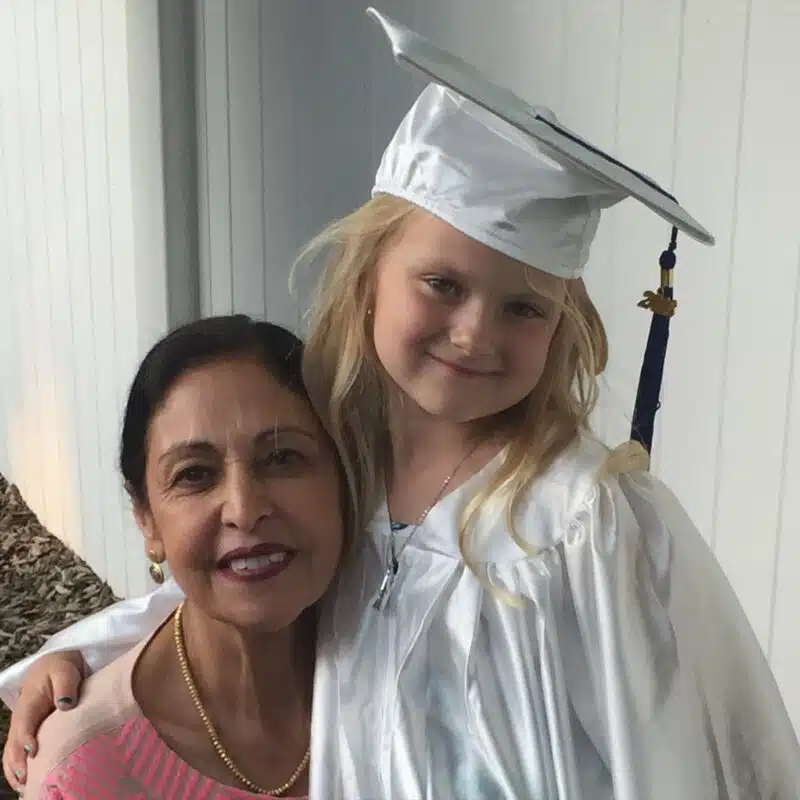
Started in 2004, International Montessori School (IMS) provides a unique, safe, warm learning environment for children ages 3 to 9 using the philosophy and methods developed by Dr. Maria Montessori. Children grow and develop through hands-on experience, guided by certified and experienced Montessori staff.
Q&A with International Montessori School
What makes IMS unique?
Started in 2004, our school is very well established, and we continuously provide a unique, safe, warm learning environment using the philosophy and methods developed by Dr. Maria Montessori. Over the years, over 400 kindergartners and some third graders have graduated from our school. We are proud of our students who after leaving our school go on to gifted schools or programs, with some of the earliest kindergartners now excelling in good universities or already in professions like medicine, law and others.
The owner, principal and a Directress at the school received her Montessori early childhood training in London, UK, from two of the first-generation students of Dr. Maria Montessori. She continues to train and guide staff to provide the right environment for each child to bring out the best potential for that child through nurturing curiosity, independence, love for learning, respect for others and the environment, and exposure to diverse cultures, languages, art, music and more.
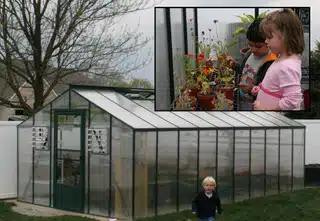
All our Directresses are also certified Montessori teachers, and we have a high level of stability of staff. The parents in the school have always participated voluntarily to help in cultural diversity and art activities, as well as make use of a greenhouse for exposing students to plant life.
We highly recommend taking a tour of the school if you are looking for your 3- to 9-year-old child to grow and develop in an environment that nurtures love for learning through hands-on experience and guided by certified and experienced Montessori staff. (www.intlmontessori.com)
What ages and grade levels does IMS serve?
- Following the Montessori philosophy and methods, children ages 3-6 are in the same preschool/kindergarten class.
- Children aged 6-9 are in the Lower Elementary class (Grades 1-3).
What is the enrollment process, and are there any key dates families should know?
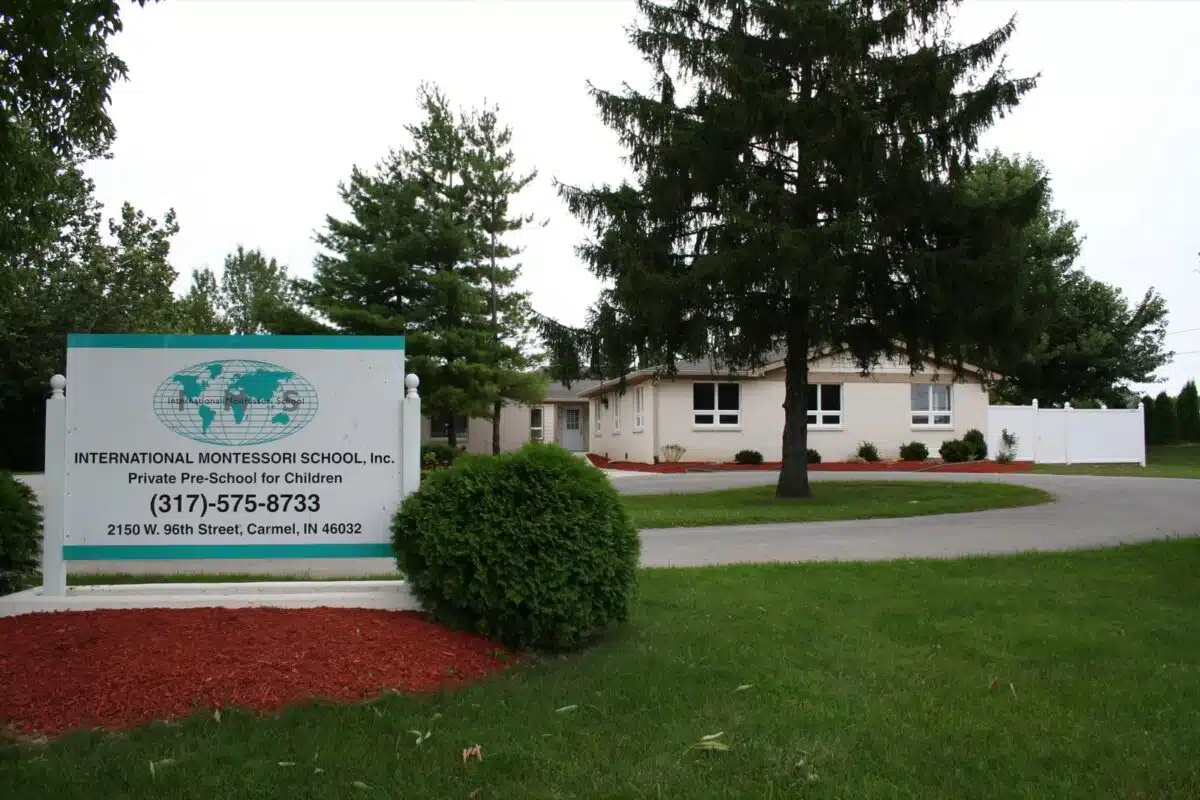
Enrollment at our school runs throughout the year. Interested parents can either call the Administrative Assistant in the school office at 317-575-8733 for information or to request a tour, or visit our website to request a tour as well as specific information. The Administrative Assistant then gets back to the interested parent to arrange a date/time for a tour as well as provide any information.
In our experience, the parents and child(ren) get a very good idea of our school philosophy, how the school is run, and expectations from visiting our school.
Does IMS offer financial assistance?
We do not offer financial assistance, but have tuition payment plans spread throughout the school year, which many parents prefer. Additionally, we offer a discount on tuition if paid in full before the start of the school year, as well as a discount on tuition for younger siblings.
What are the standard school day hours, and does IMS offer flexible schedules or before- and after-school care?
- Our core program for preschool runs 9 a.m. to 12 p.m. Monday through Friday. Preschool children can also stay until 3 p.m. for enrichment classes or as nappers.
- Kindergartners are in school 9 a.m. to 3 p.m.
- Lower Elementary children (ages 6-9; Grades 1-3 all in one class) are in school from 9 a.m. to 3:15 p.m.
Additionally, for parents who need to leave their children before and/or after school, we offer:
- Morning enrichment from 7 a.m. to 9 a.m.
- After-school enrichment from 3 p.m. to 6 p.m.
Enrollment in the enrichment programs may be on a part-time schedule if needed.
Does IMS offer support for children with special needs?
While we do not have specific programs for special needs children, in the spirit of the Montessori philosophy, we believe that every child has the potential to learn and develop if provided the right environment. Over the last 22 years, since the establishment of our school, we have had several special needs children in the school. Admission for such children is after fully understanding the needs of such a child, and sometimes such a child is admitted with arrangement with a parent for another adult or therapist to be with the child in the school.
What enrichment programs and activities does IMS offer?
In the afternoons, children ages 3-5, not yet ready for kindergarten, can enroll in the enrichment program. For this program, the teacher and assistant will do educational enrichment activities with children.
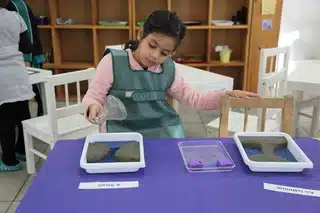
Within the Montessori curriculum, we have incorporated art, music, different cultures and traditions, and Spanish language.
What are IMS’s safety policies?
The safety and well-being of children and the staff is of utmost importance at the International Montessori School (IMS).
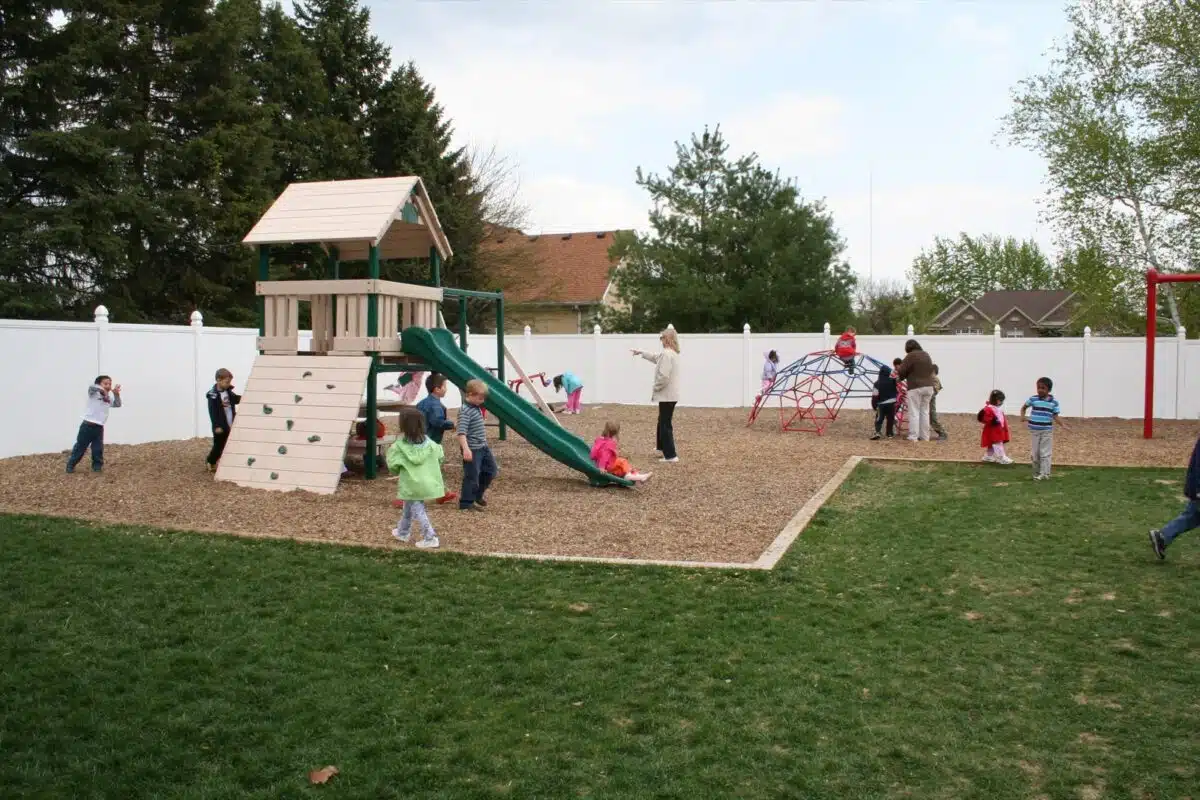
Exterior doors remain locked when not in use. A high fence surrounds the school playground. A security system monitors the school entrance.
Entrance into the school is via a locked gate. Potential parents or visitors to the school are allowed in by the Administrative Assistant via a gate that is normally kept locked. Children are received and let go with a parent or pre-authorized relative or babysitter in car lines.
Additionally, we do mock fire and tornado drills for students and staff to ensure they know what needs to be done in case of such events.
What is IMS’s educational philosophy?
Montessori: “My vision of the future is . . . of individuals passing from one stage of independence to a higher [one], by means of their own activity through their own effort of will, which constitutes the inner evolution of the individual.” – Dr. Maria Montessori
We use the Montessori philosophy and methods of introducing children to a lifetime of enjoyable learning. From the time the child enters the school at age three, he/she begins to work through the curriculum.
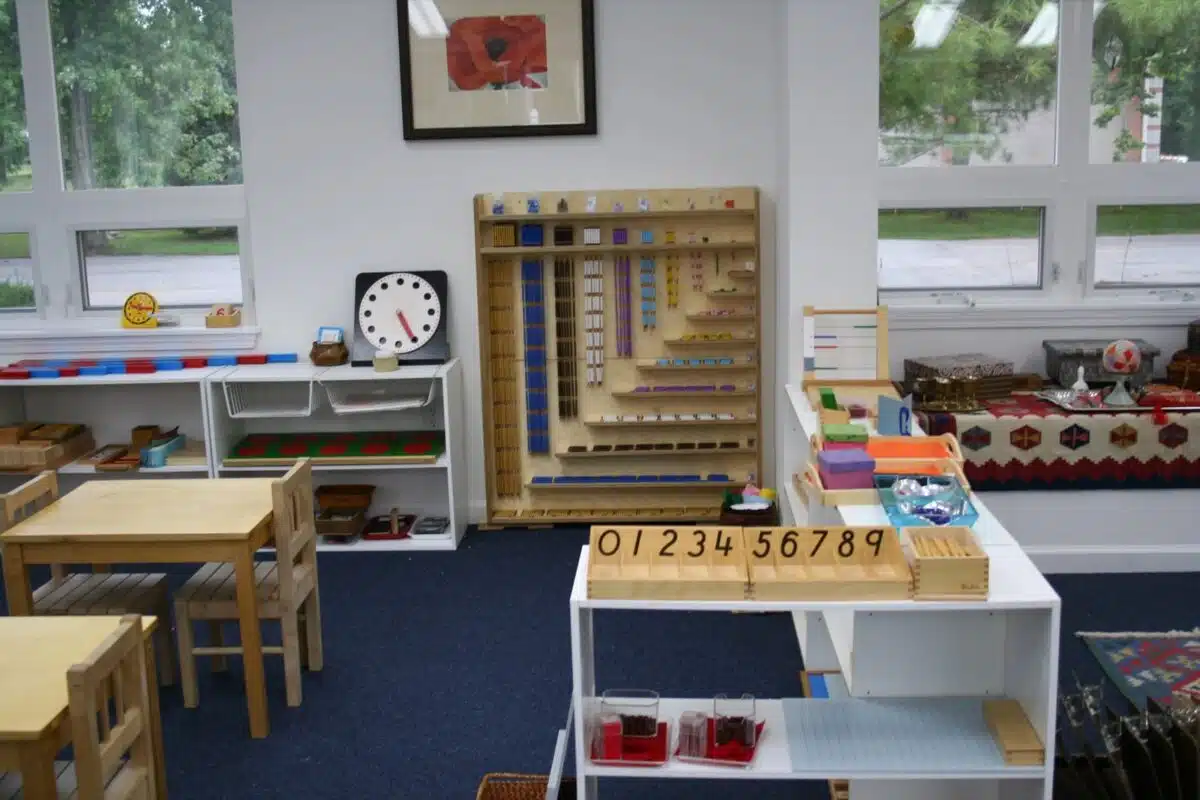
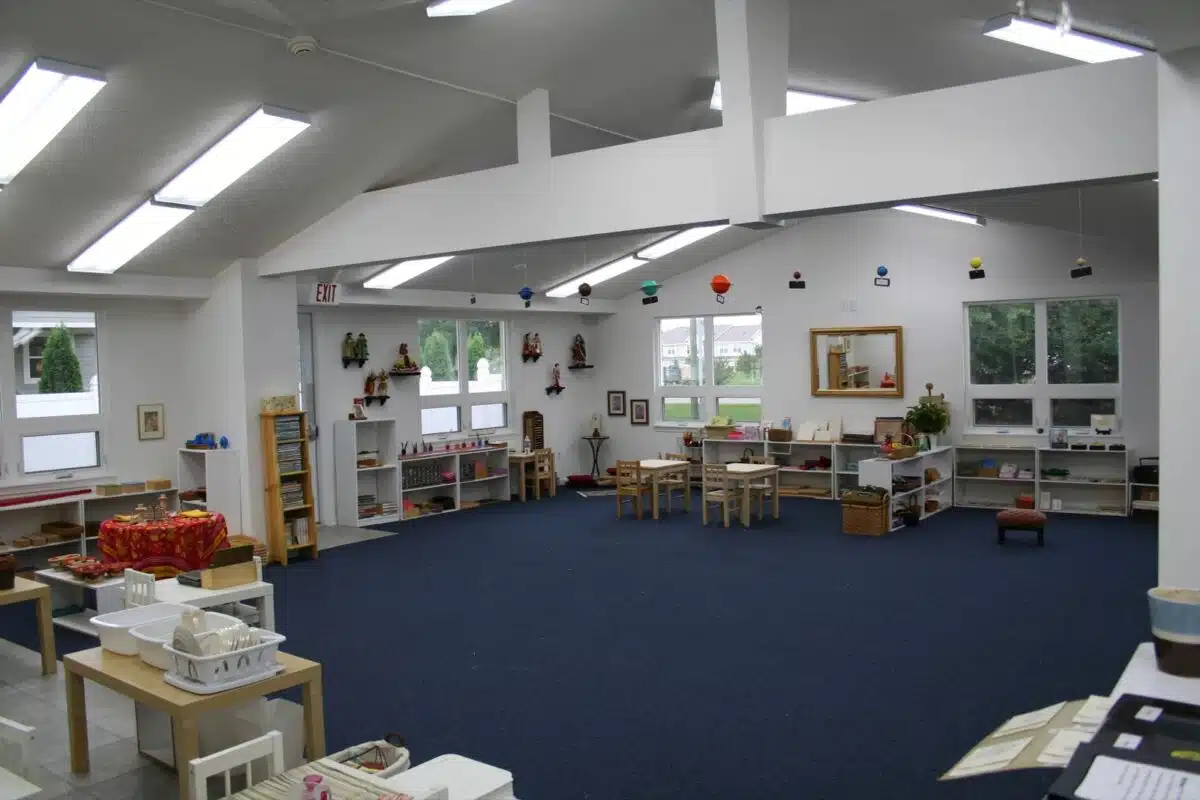
Our unique program combines the Montessori method, established by Dr. Maria Montessori, with a wide array of subject preparation that provides children with essential academic and social skills. The Montessori method encourages self-directed learning in a carefully constructed environment, which is designed to facilitate the cultivation of a variety of skills through specially designed materials. In this respect, the child is learning something in every area of the classroom, whether they are using multiple chains or setting the table for an afternoon snack. Our goal is to provide an environment for children that is nurturing, self-motivational, encouraging independence while still being able to develop mentor/mentee relations, respect for and acceptance of others and the environment, and finally having a curious mind and passion to learn.
To learn more about how we implement Montessori philosophy, materials and methods, please visit our website: intlmontessori.com/approach and intlmontessori.com/programs.
How many children are in each class, and how are they grouped?
- Our preschool/kindergarten classes vary in numbers. Two classes can accommodate up to 22 children each, and one can accommodate up to 30 children. Children in preschool/kindergarten classes are between 3-6 years of age.
- The kindergarten children (5-6 years of age) from the three morning preschool classrooms have kindergarten class in the afternoons. This class can accommodate up to 20 students.
- The Lower Elementary class has a maximum of 10 children, aged 6-9 and at different grade (1-3) levels, all in one class.
What is the teacher-to-child ratio?
The teacher/child ratio for preschool/kindergarten classes is 1:10 or 1:11. In the Lower Elementary class, the teacher/child ratio is 1:5.
What are the teachers’ credentials?
All staff have at least an undergraduate or higher degree. All teachers are trained for Montessori methods of teaching (early childhood) and certified by the American Montessori Society. The owner, principal and an Early Childhood teacher was trained in London, UK, by the first-generation students of Dr. Maria Montessori, and has over 50 years of teaching and running Montessori schools in the USA and Kenya.
All our Teacher Assistants have worked in the school for several years with Montessori-certified teachers.
Is parent participation required?
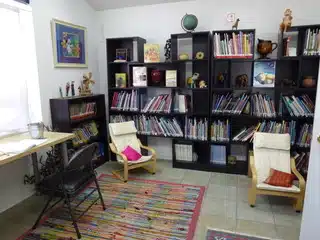
While we do not require parent participation in the school, many of the parents do volunteer to manage the school library and cultural diversity programs that help educate children of different cultures and traditions as well as give them confidence in public speaking.
The Lower Elementary class has one field trip a year, and parents volunteer to help coordinate that with the Lower Elementary staff.
How do teachers communicate with families, and how often do they send updates?
Teachers communicate with families:
- At Orientation evenings at the beginning of the school year to inform parents of the Montessori philosophy, classroom structure and curriculum
- At two parent-teacher conferences (beginning of the school year and towards the end of the school year)
- On a need basis
- In monthly newsletters
Parents are always welcome to set appointments to discuss specific topics on a need basis.
How much time do children spend outside?
30 to 60 minutes during lunch hour or enrichment programs. Children are kept inside the school building during extreme (hot, cold or rain) conditions.
Are meals or snacks provided?
No. Children bring their own lunch and snacks. At the same time, we do have some snacks at school, in case a child forgets to bring his/her snack.
- If needed, staff will heat lunch for a child.
- All children sit at tables to have their lunches.
- We are a peanut-free school, and parents are advised not to send food or snacks with peanuts or other nuts to avoid any allergic reactions.
Do children need to be potty-trained?
All children have to be fully potty trained and independent for that purpose.
What makes Montessori different from traditional schools?
- In a Montessori classroom the Directress prepares the environment with learning materials and the environment is the focus for the children, while in a traditional classroom, the teacher is the center of the classroom as instructor.
- Each child receives individual instruction in a Montessori classroom; in a traditional classroom there are mainly group lessons and few individual instructions.
- In a Montessori classroom children are of mixed age groups (3-6 years old for preschool/kindergarten classes, and 6-9 years for Lower Elementary); in a traditional classroom all children are of similar age.
- In a Montessori classroom much of the teaching is peer teaching and modeling; in a traditional classroom all teaching is by the teacher.
- The curriculum is structured for each child in a Montessori classroom; in a traditional classroom the curriculum is for the whole class and does not necessarily cater to different learning capacities.
- In a Montessori classroom each child is challenged based on the child's cognitive, social and emotional development; in a traditional classroom all children are challenged the same irrespective of their differing developmental states.
- In a Montessori classroom each child works on an activity for an extended time and at his/her own pace and sets his/her own learning pace; in a traditional classroom children are taught concepts by a teacher.
- In a Montessori classroom each child identifies his/her own errors from feedback from the materials, which are self-correcting; in a traditional classroom the teacher identifies errors and provides correction.
- In a Montessori classroom learning is reinforced internally by each child repeating use of materials to correct use and internal feeling of competence; in a traditional classroom learning is reinforced externally by group repetition and rewards.
- In a Montessori classroom there are multi-sensorial materials for physical examination and exploration; in a traditional classroom there is a paper-and-pencil approach to learning.
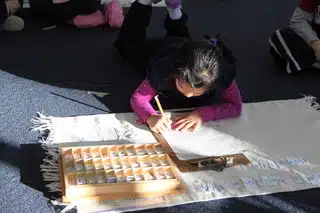
- In a Montessori classroom there are few chairs or tables in the practical life area and for use during lunch and for snacks. Children work with their materials on rugs while respecting each child's space and materials; in a traditional classroom each child is assigned a chair and a desk and is not allowed movement.
Are there any myths about Montessori education that IMS can dispel?
Montessori education is only for the wealthy: This is a myth, because the daycare centers cost about as much as the Montessori schools, but the benefits to a child are orders of magnitude greater for the child learning in a Montessori environment. At our school we have children from parents with various levels of incomes. Parents bring their children to our school because they believe in the benefits of Montessori methods of education, extracurricular programs offered and cultural diversity at the school.
Montessori education is only for the gifted: Again, this is a myth as the Montessori method was initially designed for children with special needs and from poor backgrounds. The method works for all types of children because each child develops and accelerates at his/her own pace. The Directress offers lessons to use materials, and each child chooses materials based on interest and desire to become perfect. Although designed for “special needs” children, the Montessori method and materials work for all children.
Montessori education is unstructured: Another myth about Montessori education is that the children are allowed to do whatever they want irrespective of their progress. At our school, while children do develop at their own pace, they are directed for expression of maximal potential. As a result, they leave school with their optimal sensorial development and with an excellent foundation in reading, writing, math, geography, science, understanding of different cultures, confidence in public speaking, and respect for each other and the environment.
Who should families contact for more information about IMS?
Families can call the school Administrative Assistant at 317-575-8733 or contact the school by email ([email protected]) or via our school website.
Families also look at
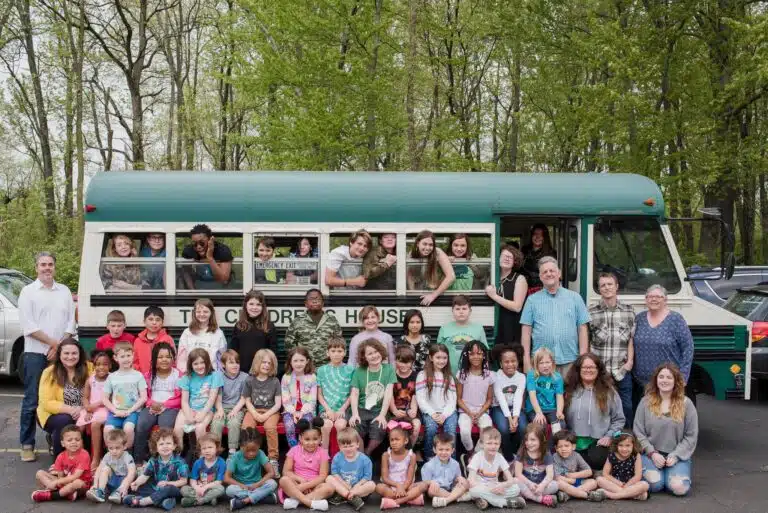
The Children’s House
Montessori preschool for ages 3 to 5 with before and after care from 7 a.m.
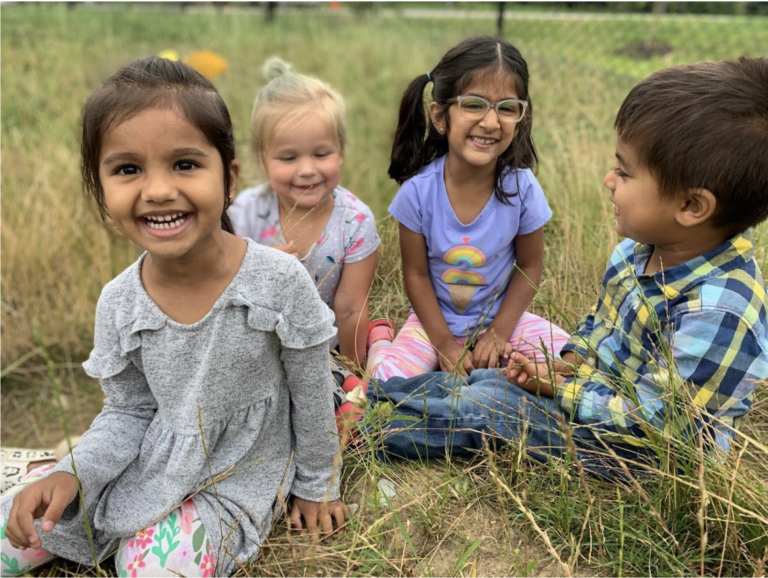
Indiana Montessori Academy
Montessori for 18 months to 6 years in Carmel, with before and after care.

Indianapolis Hebrew Congregation-Early Childhood Center
Play-based Jewish early childhood center from age 1 through kindergarten.