

I really tried not to submit this article at the eleventh hour. But here we are, and honestly, this piece would have looked a lot different if I’d written it a week ago.
My family experienced a medical emergency this week. Thankfully, it wasn’t something we’d been through before, and everyone is home and recovering. But my husband had to call 911. There were flashing lights, EMS in my house, and a whole lot of fear and uncertainty.
It was scary.
As a parent of children with complex support needs, emergencies come with an extra layer of worry. You know your child best. You know their medical history, how they communicate, what overwhelms them, and what a first responder might need to know to help them. But in the middle of an emergency, communicating all of that isn’t always easy.
While we can’t prepare for everything, there are a few Indiana programs worth knowing about before you need them.
Project Lifesaver: When a Child Wanders
For families whose children are at risk of wandering, Project Lifesaver can provide an additional layer of support. Participants wear a small radio transmitter that trained public safety teams can use to help locate them if they become separated from their caregivers.

Hamilton County offers the program at no cost to participating families. To learn about eligibility and enrollment, visit the Hamilton County Sheriff’s Office website and look for Project Lifesaver. Families elsewhere in Indiana can contact their local law enforcement agency to ask whether Project Lifesaver is available in their community.
The Blue Envelope Program: Making Communication Easier
A traffic stop can be stressful for anyone, but unexpected interactions can be especially challenging for people with communication differences or sensory sensitivities.
The Carmel Police Department recently launched its Blue Envelope Program to help make traffic stops and other law enforcement interactions more comfortable and effective. The envelope holds important documents and provides officers with helpful information that may support communication during an encounter. Participation is voluntary.
Carmel residents can pick up a Blue Envelope at the Carmel Police Department, located at 1000 S. Rangeline Road, during normal business hours. Families can also contact the department directly for more information.
Smart911: Preparing Before You Call
When you’re in the middle of an emergency, remembering every detail you want a dispatcher to know can be difficult. Smart911 gives families a way to prepare ahead of time by creating a free safety profile with information such as medical conditions, medications, communication needs and emergency contacts.
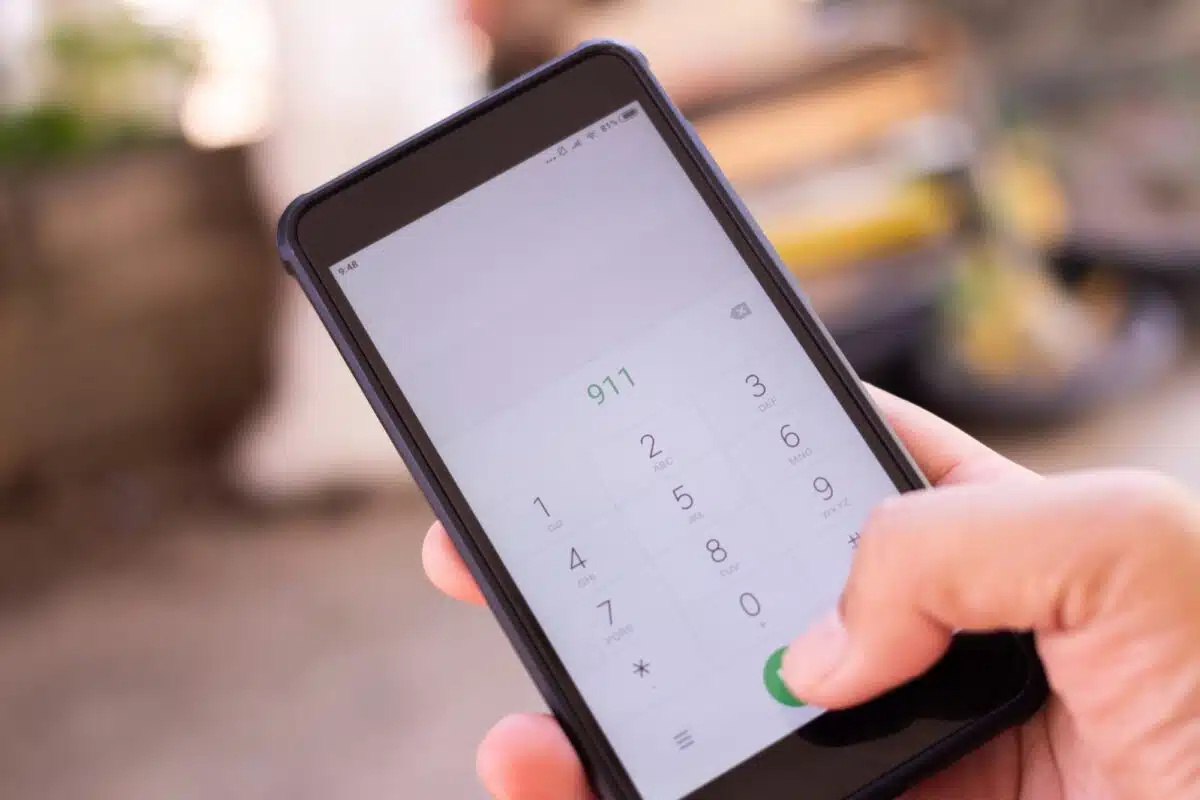
When someone calls 911 from a registered phone number, the profile may be available to dispatchers in participating communities. Families can visit Smart911.com to create a profile and check availability in their area.
None of these programs can prevent every emergency or guarantee that everything will go smoothly. But they can help bridge the gap between what a family knows about their child and what first responders need to know.
This week was a reminder I didn’t need, but one I’ll carry with me. We can’t always know when we’ll need help. Sometimes, the best we can do is take a few small steps ahead of time and hope that when the unexpected happens, those steps make things a little easier.
Related Article: Helping Neurodivergent Kids Navigate the Back-to-School Transition