


Peace Learning Center summer camps are joyful, kid powered adventures where play meets purpose. Through games, creativity, movement and laughter, young people build confidence, empathy and social emotional skills, strengthen friendships, explore big feelings, practice communication, and learn how to care for themselves, each other and their communities.
Basic Info:
Address: 6040 Delong Road, Indianapolis, IN 46254
Phone: (317) 327-7144
Email: [email protected]
Website: peacelearningcenter.org
Type of Camp or Summer Program: Day, Summer Fun
Basic Categories: Academic, Adventure/Tripping, Arts, Computers & Technology, Sports, STEM, Traditional, Wilderness
Gender of Campers: All
Special Needs Offered: Inclusive
Dates: June 1 – July 24
Hours: 10 a.m. – 4 p.m. for camp; After Care 4-6 p.m.
Ages: 6-11 (12-18 for 6/22 camp)
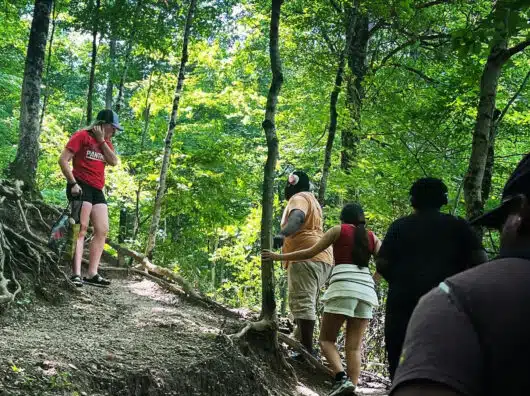
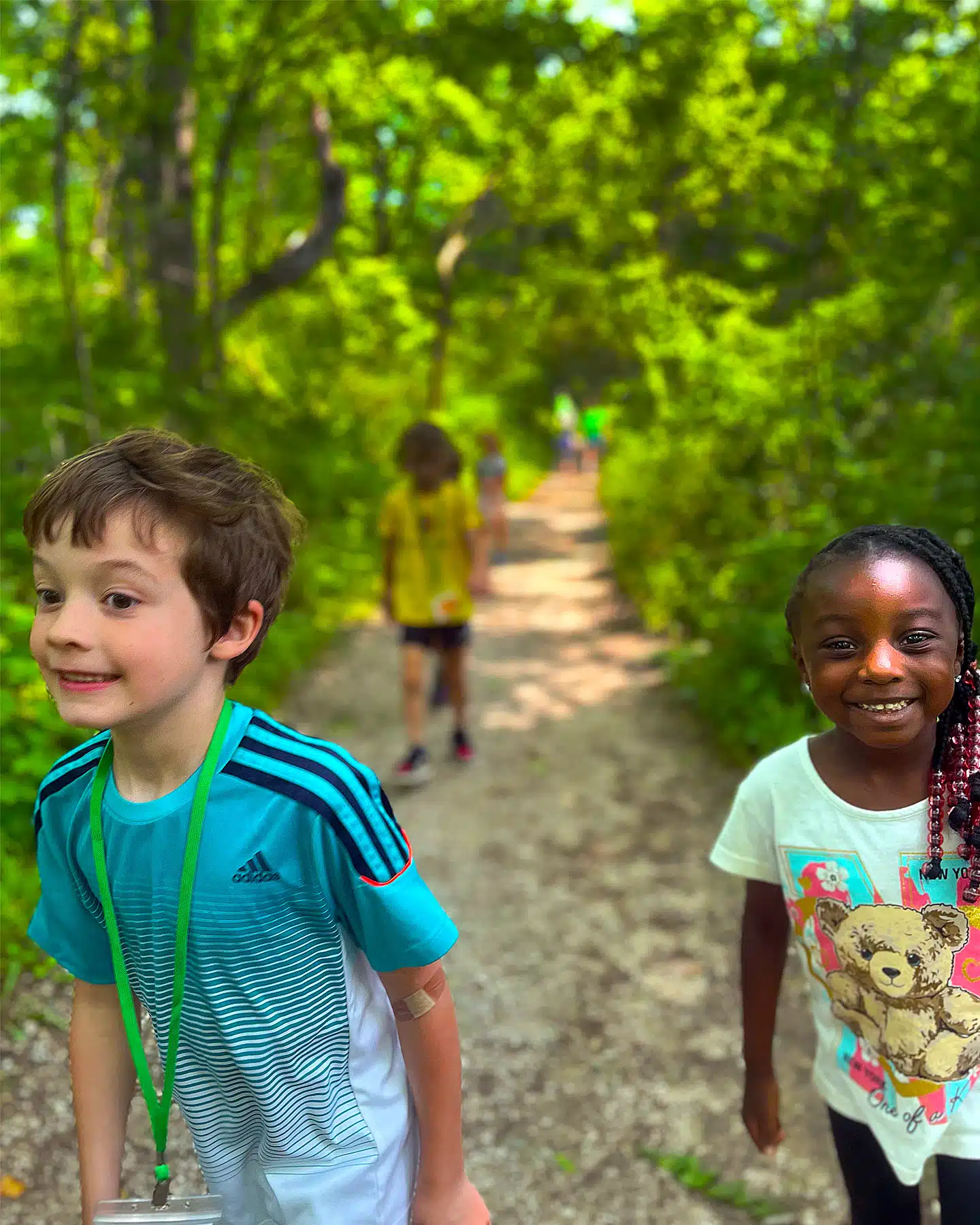
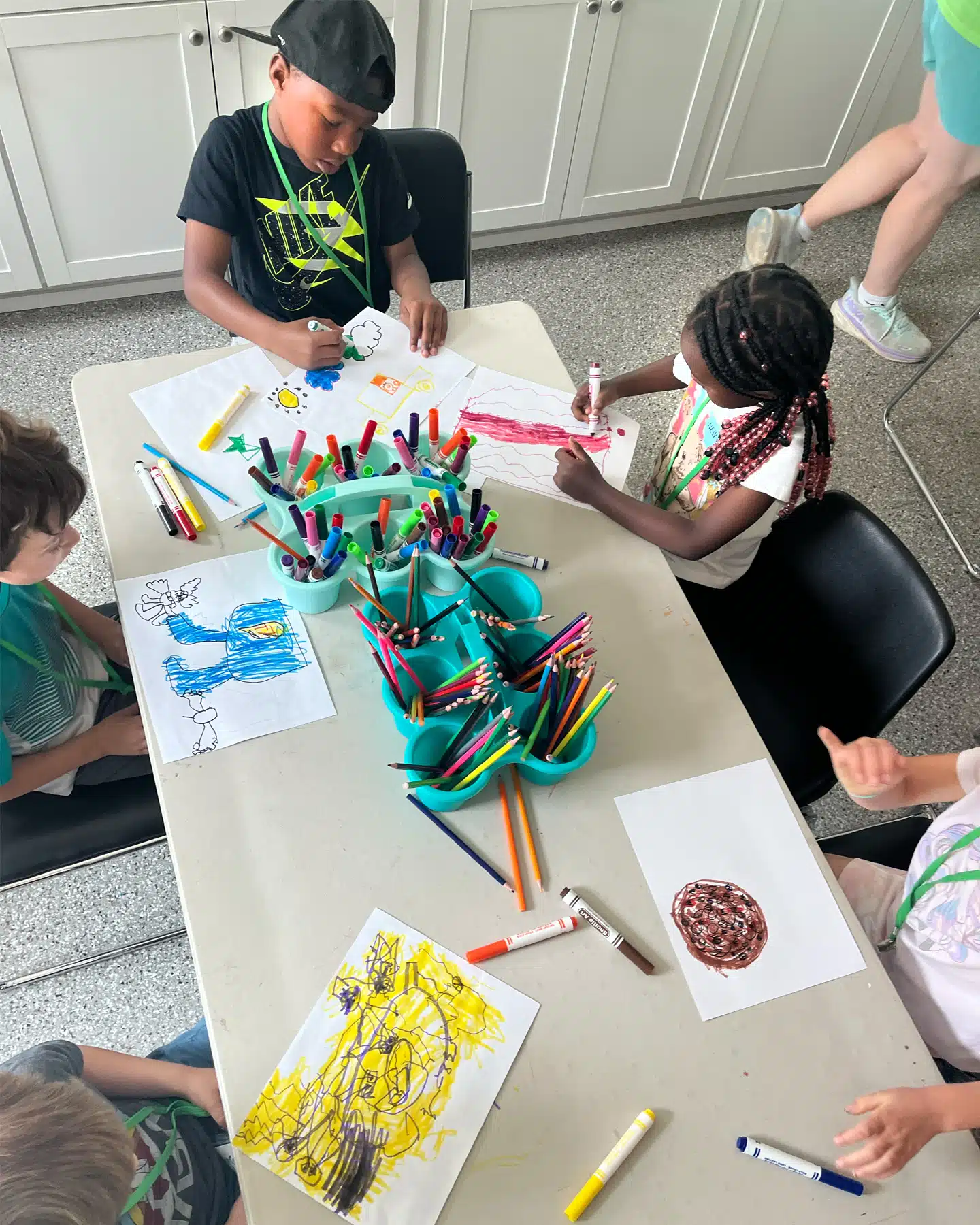
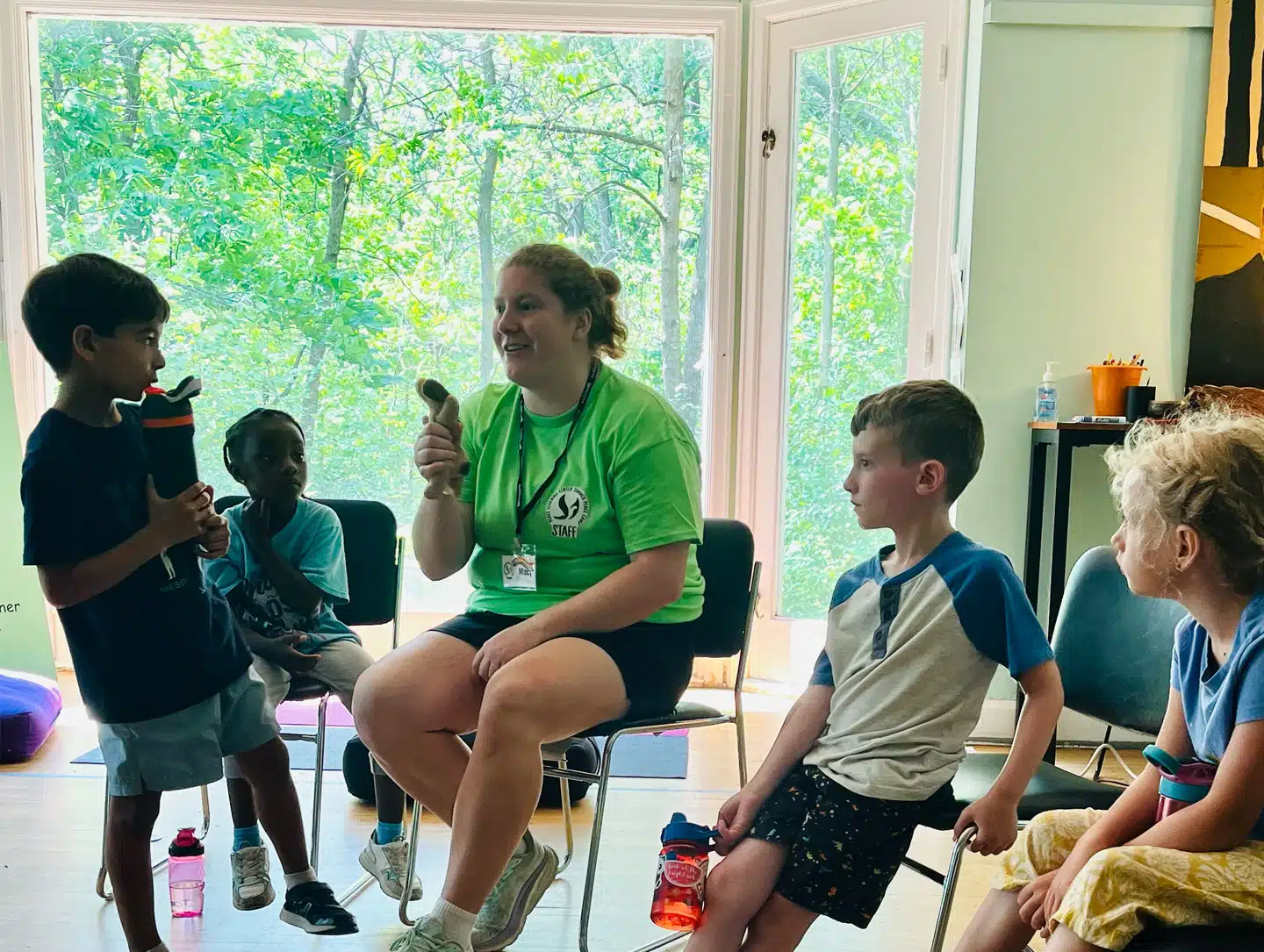
Activities: Activities include cooperative games, team challenges, creative arts and crafts, music and movement, mindfulness and reflection, storytelling, role-playing, outdoor play and group circles that build communication, empathy and problem-solving skills
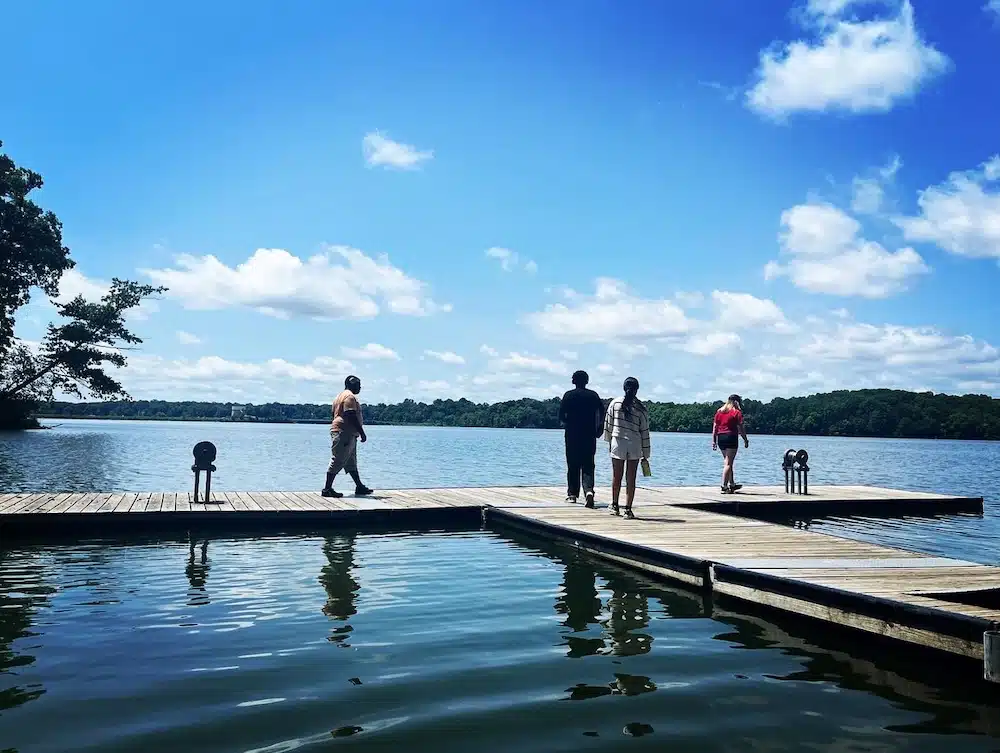
Q&A with Peace Learning Center:
What makes Peace Learning Center unique?
What makes our camps unique is that we don’t just keep kids busy; we help them grow. Social-emotional learning is woven into every game and activity, not taught as a separate lesson. Through purposeful play and real relationships, young people practice communication, empathy, and conflict-resolution skills in the moment, while being seen, valued, and supported exactly as they are.
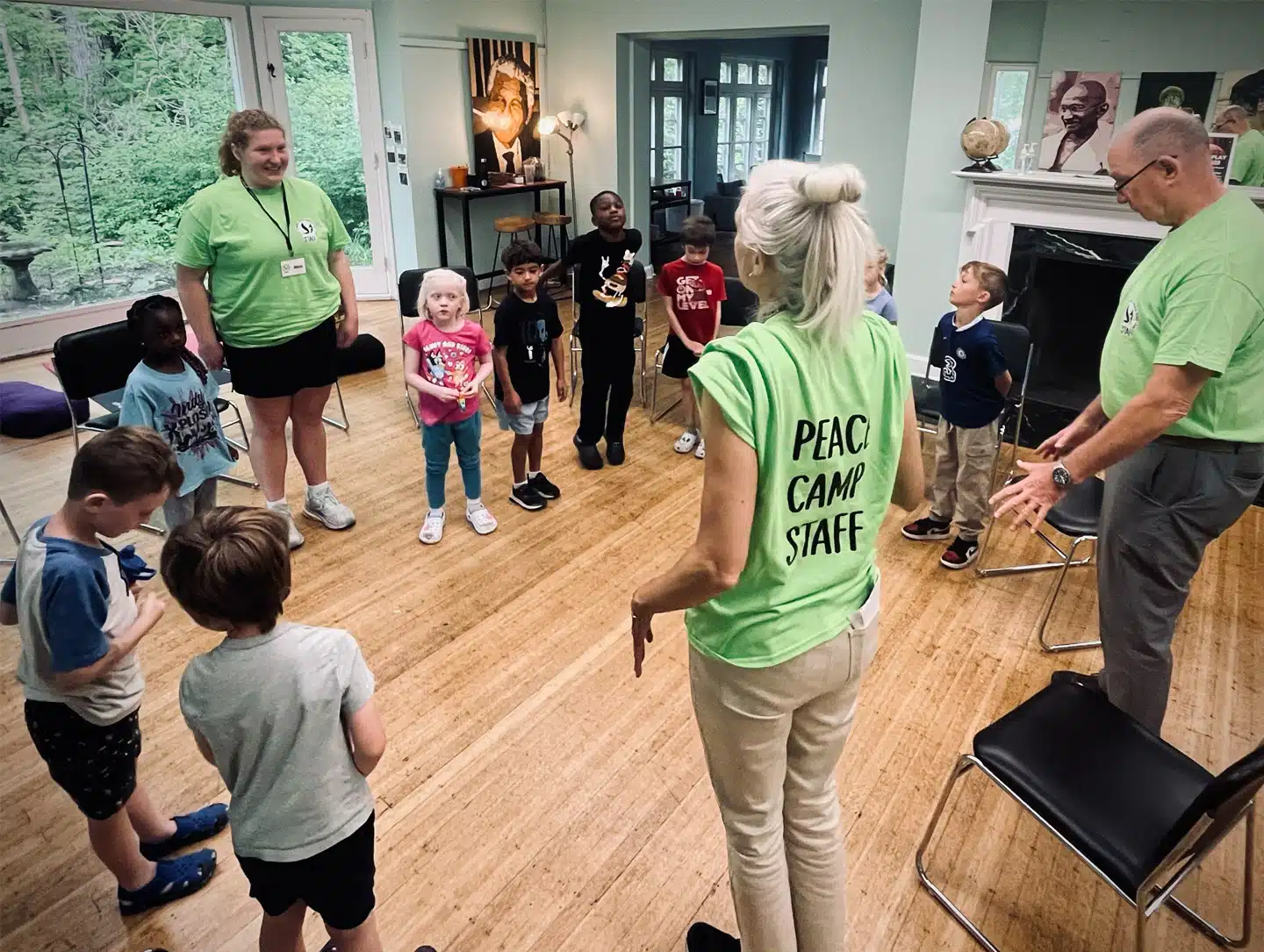
What activities are offered?
Our camps are packed with hands-on activities that keep kids moving, creating, and connecting. Campers take part in cooperative games, team challenges, arts and crafts, music and movement, storytelling, role-playing, outdoor play, and group circles that naturally build communication, empathy, and problem-solving skills.
What is the camper-to-counselor ratio?
10:1
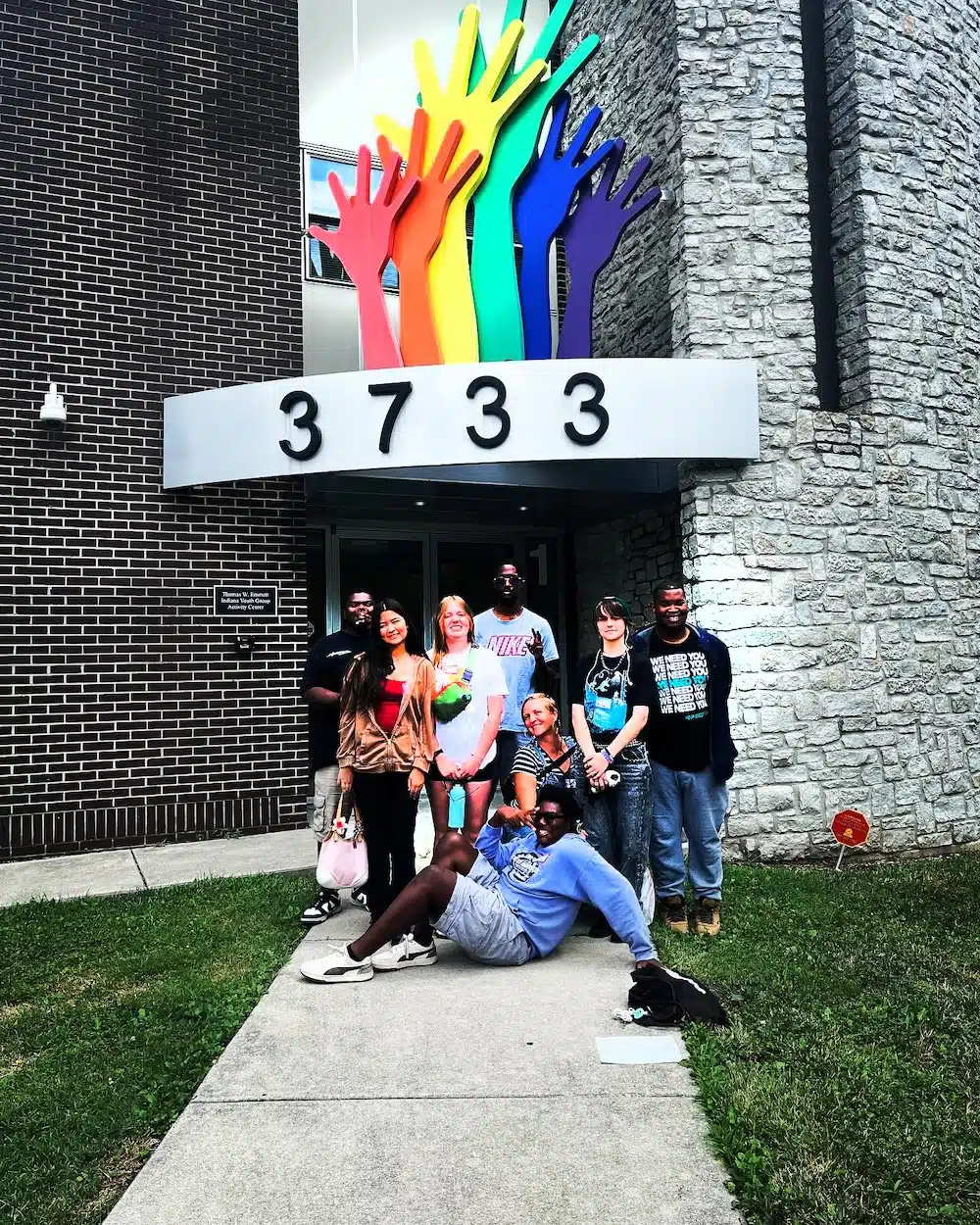
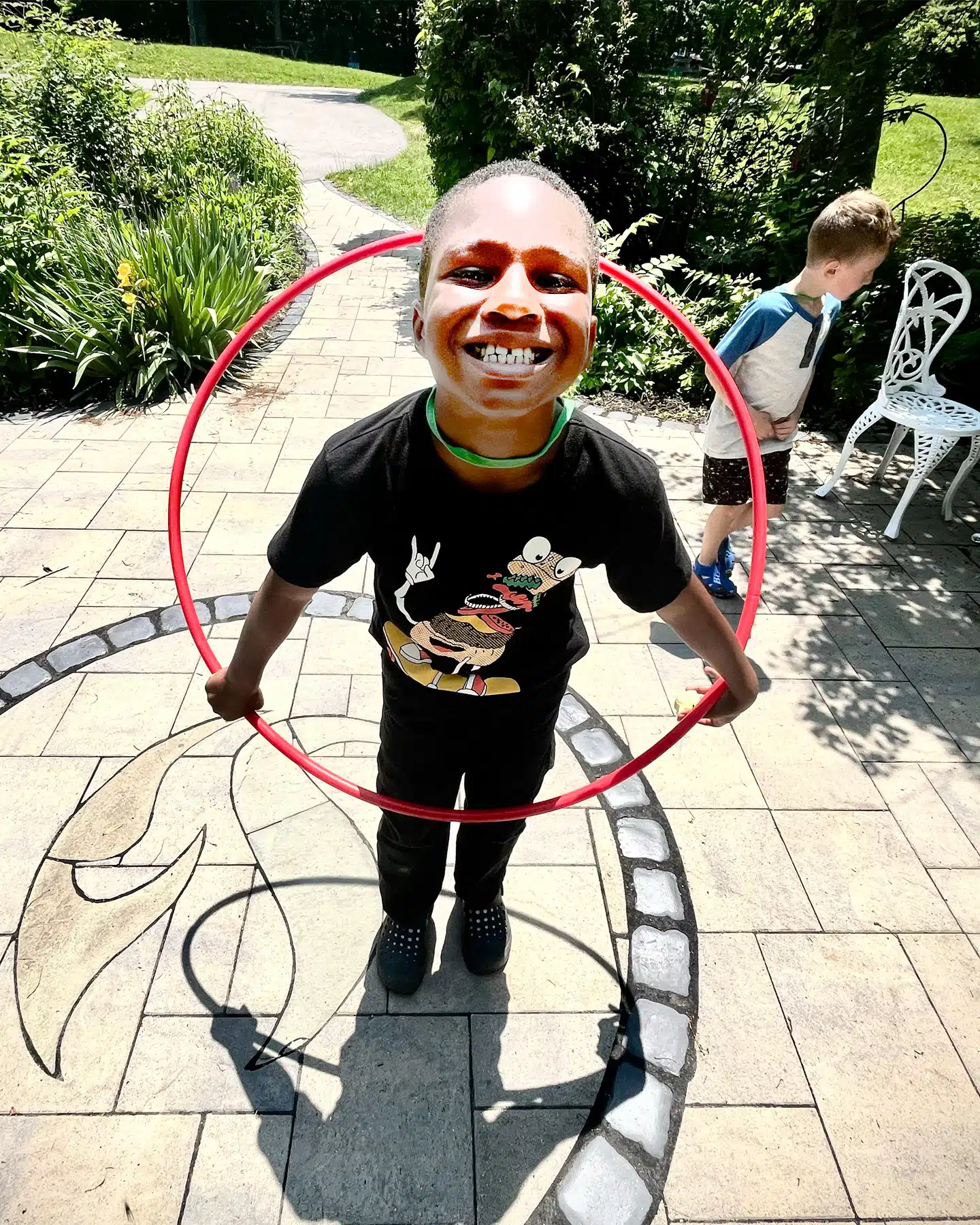
How much time do the campers spend outside?
Weather permitting, 50%
Does Peace Learning Center provide lunch/snacks or do parents need to provide them?
Morning and afternoon snacks are provided by the Peace Learning Center. Lunch must be provided by camper caregiver.

What is the typical daily schedule for campers?
9:00–10:00 AM | Before Care
Light activities and free play to ease into the day:
Board games & card games
Coloring & simple crafts
Outdoor play (tag, foursquare, jump rope, chalk, bubbles, etc.)
10:00 AM–12:00 PM | PLC Facilitation
Peace Learning Center-led activities focused on the camp’s SEL theme of the day. Interactive circles, games, reflection, and community-building exercises.
12:00–1:00 PM | Lunch & Chill Time
Campers enjoy lunch (brought from home or provided, depending on camp) followed by quiet or low-key activities like reading, drawing, or nature walks.
1:00–4:00 PM | Partner Facilitation
Partner organizations lead immersive programming (sports, art, STEM, climate, etc.)
4:00–4:15 PM | Transition & Snack
Afternoon snack and wind-down from partner programming.
4:15–5:15 PM | After Care: Playground Time
Outdoor play and physical activity in the park playground area.
5:15–6:00 PM | After Care: Choice Time
Board games, card games, coloring, crafts, tag, foursquare, jump rope, chalk, bubbles and other relaxed, camper-led activities until pick-up.

How old are the counselors and how are they trained?
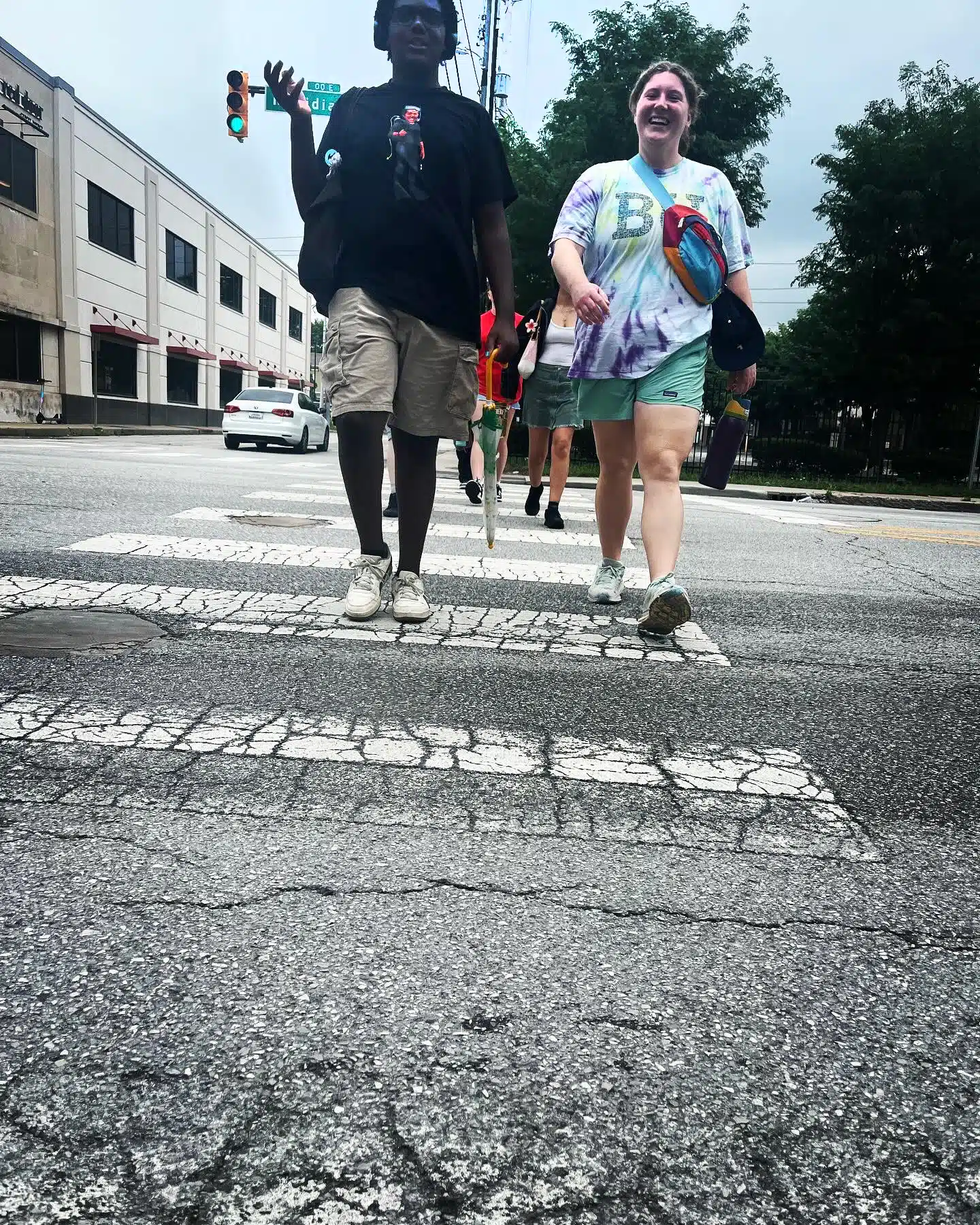
Our camps are led by professional Peace Learning Center staff, supported by trained seasonal counselors and partners. Counselors are adults or teens working alongside adults and receive summer training in emotional learning, restorative practices, and inclusive approaches. All staff are certified in First Aid and CPR to ensure a safe, supportive environment for every camper.
What accommodations are made for campers with special needs?
Peace Learning Center works to accommodate campers with special needs and believes every child deserves a positive camp experience. Families are encouraged to contact the Center before enrolling to discuss individual needs or concerns so we can work together to create the best possible experience for their child.

