

The International School of Indiana: Preschool


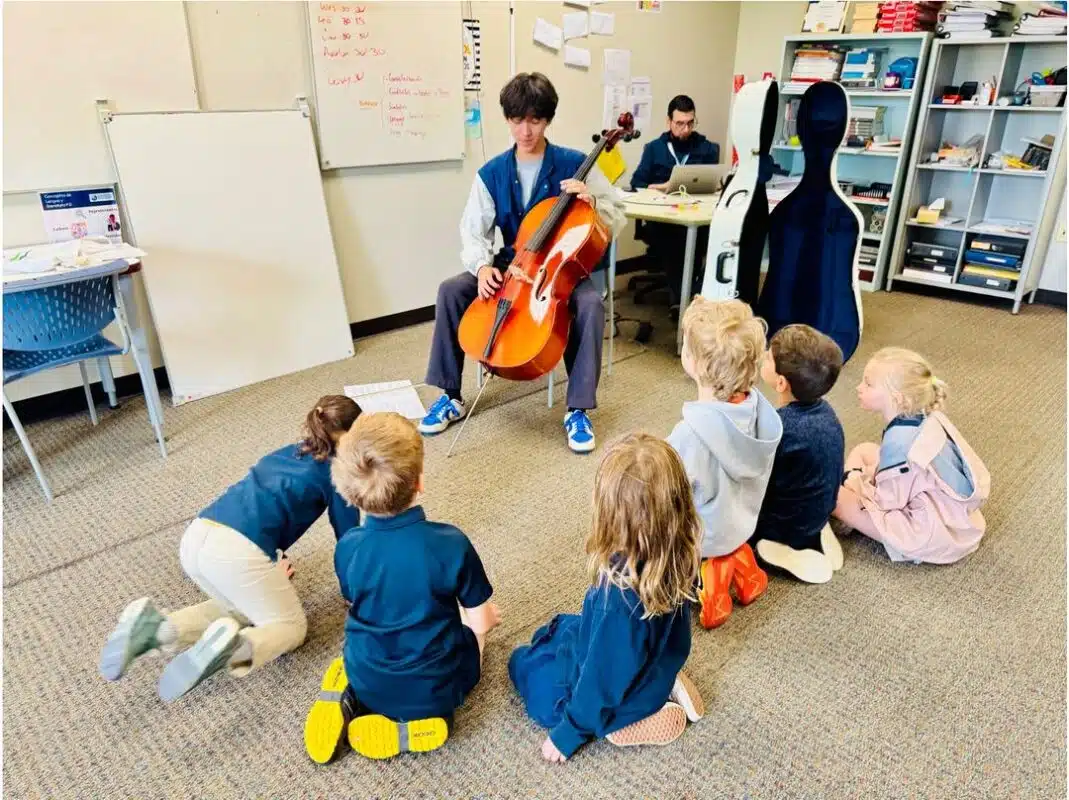
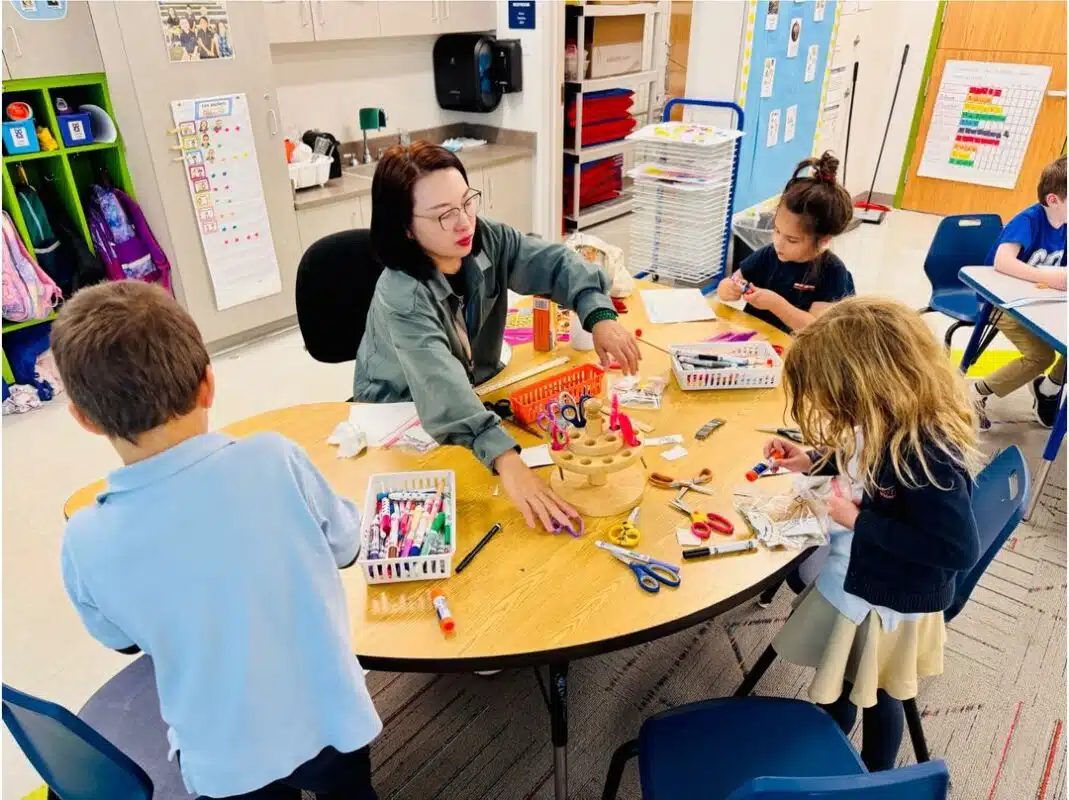
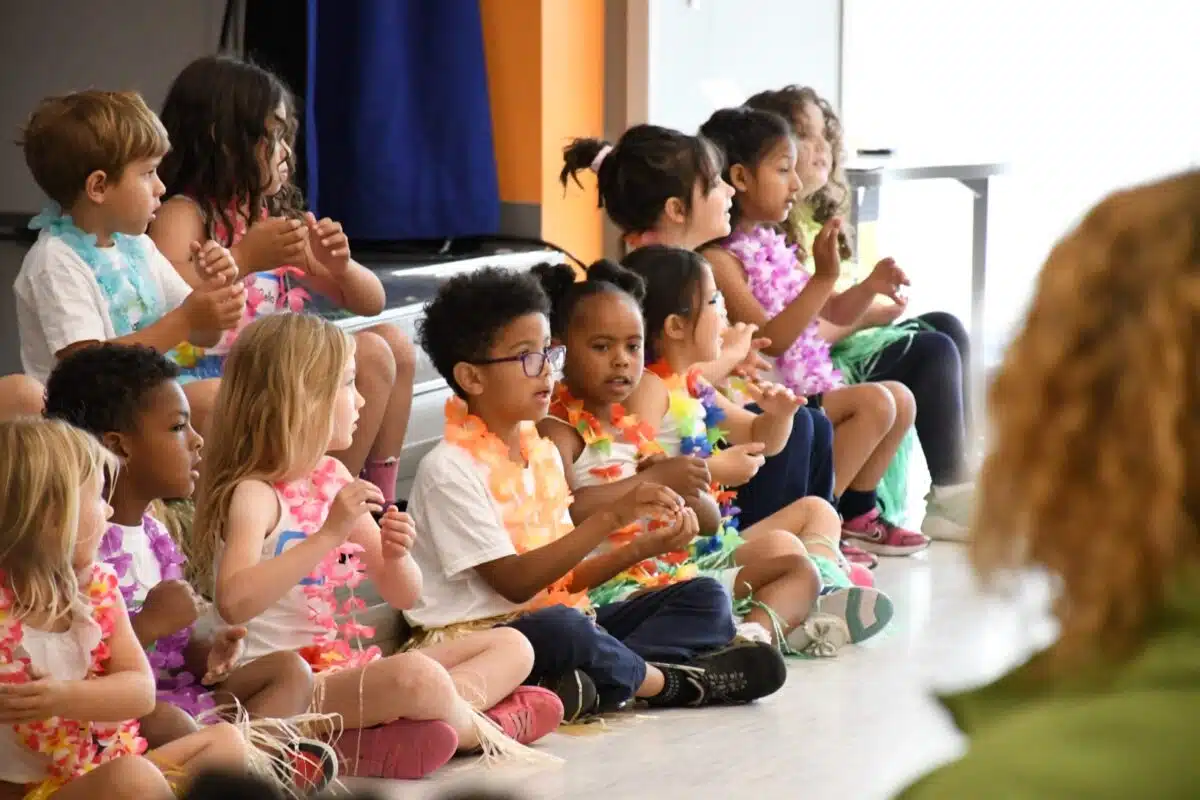
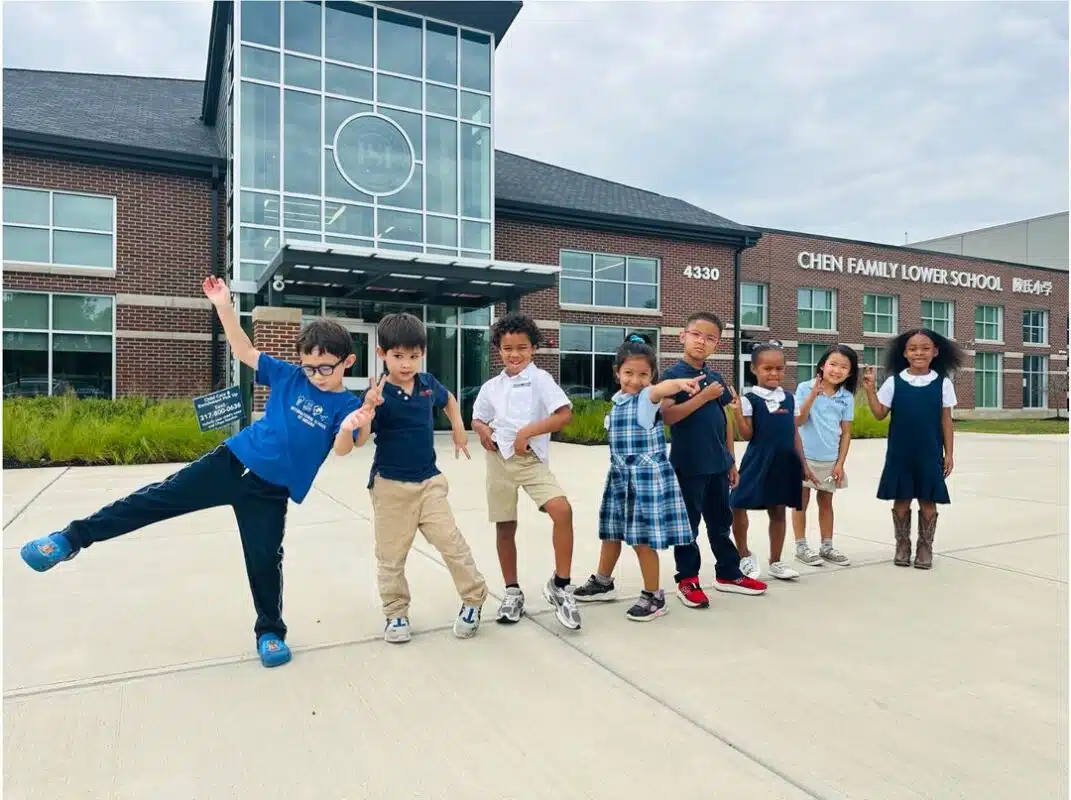
The International School of Indiana (ISI) offers an engaging, globally minded education for students ages 3 through Grade 12. Starting in Pre-Elementary, children explore, create, and learn through hands-on experiences and language immersion in French, Mandarin, Spanish, and English, building a strong foundation for lifelong learning.
Q&A with The International School of Indiana: Preschool
What makes ISI unique?
ISI offers a globally focused education for students ages 3 through Grade 12, combining language immersion, the International Baccalaureate (IB) curriculum, and a diverse international community. Beginning in Pre-Elementary, children learn through play, hands-on exploration, and early exposure to French, Mandarin, or Spanish in a nurturing environment that builds curiosity, confidence, and a love of learning.
Language Immersion: Students develop language skills through immersive instruction, beginning in Pre-Elementary. No prior language experience is required.
IB Curriculum: ISI is Indiana’s only school offering all three IB programmes (Primary Years, Middle Years, and Diploma), emphasizing critical thinking, inquiry, and global perspectives.
Global Community: Students and faculty represent more than 80 countries, creating opportunities to learn from different cultures, traditions, and perspectives.
What ages and grade levels does ISI serve?
The International School of Indiana serves students ages 3 to grade 12.
What is the enrollment process, and are there any key dates families should know?
The enrollment process begins with an online application through ISI's admissions portal. Families are encouraged to schedule a campus tour to learn more about the Early Years program, meet our team, and see the classrooms.
Once the application is submitted, the process includes:
- Submit an Application: Complete the online application and required checklist items through the Parent Portal.
- Recommendation Form: Provide one recommendation from your child's current teacher, childcare provider, or early childhood educator.
- Pre-Entry Visit: Your child will participate in a 45-minute, play-based visit where our team gets to know them and observes their social and developmental readiness.
- Admissions Decision: The Admissions Committee reviews completed applications and decisions are shared on a rolling basis.
- Confirm Enrollment: Once accepted, families submit their enrollment contract and required checklist items to secure their child's place.
Children may apply for the 3-year-old program if they turn 3 by August 1 of the school year. Students must be fully potty trained before starting. No previous language experience is required.
Families can find application details at ISI's Admissions Page or contact the Admissions Office at 317-923-1951.
Does ISI offer financial assistance?
ISI is committed to supporting families from a wide range of financial circumstances. Approximately 40% of ISI students receive some form of financial aid, with an average aid amount of $10,000 per student. ISI also participates in the Indiana Choice Scholarship Program, known widely as the "Voucher" program. For qualifying ISI families, vouchers can reduce tuition costs by approximately $6,100 to $7,500 per student per school year.
What are the standard school day hours, and does ISI offer flexible schedules or before- and after-school care?
Lower School begins at 8:15 a.m. and concludes at 3 p.m.
Child care is offered for students in the morning, beginning at 7:00 a.m., and after school until 6:00 p.m.
A variety of after-school enrichment programs are offered for Lower School students, and programming typically concludes by 6:00 p.m. Offerings span arts-based programming, cultural learning, STEM activities, athletics, and more!
Does ISI offer support for children with special needs?
To enable all students to actively and successfully participate in our school program, the Lower School offers a variety of support services. Individual support may be provided through differentiated classroom instruction and activities to meet the needs of each student. This can be supported by the classroom teacher or a Learning Support teacher. At times, further student support may be provided to reinforce or develop skills and understandings. This can occur through targeted individual or small-group instruction, both inside and outside the classroom, with a Learning Support specialist. Students may qualify for services based on teacher and parent recommendations, independent screenings, or internal assessments. ISI also works closely with Washington Township to support students.
The Lower School also has a full-time counselor on staff who supports all students. Mental health and well-being are key focus areas, and ISI takes a proactive approach to these topics. The counselor works closely with teachers and leads full-class lessons on a weekly basis across a broad range of topics, including addressing issues that may arise during the school day.
What enrichment programs and activities does ISI offer?
ISI offers a variety of enrichment opportunities for Lower School students, allowing them to explore new interests, develop skills, and discover new talents both inside and outside the classroom.
During the school day, students participate in weekly music and visual arts classes, along with physical education and hands-on learning experiences. After school, families can choose from rotating enrichment classes offered throughout the year. Past activities have included art, pottery, cooking, dance, choir, music lessons, STEM activities, and athletics.
What are ISI’s safety policies?
ISI is committed to providing a safe, welcoming, and supportive environment where students can learn and grow. Faculty and staff work together to promote mutual respect, intercultural understanding, and the values of the IB Learner Profile, supported by comprehensive safety procedures and emergency protocols.
Some of ISI's safety measures include:
- Secure Campus: ISI is a gated campus, with gates closed during the school day and exterior building doors kept locked.
- Visitor Management: All visitors must check in at the building's main entrance, where an identification badge is issued. The visitor management system includes background and safety screenings.
- Campus Security: Security cameras, controlled building access, visitor management systems, and emergency communication systems are in place throughout campus.
- Emergency Preparedness: Faculty and staff receive annual emergency training, and students and employees participate in regular safety drills, including fire, tornado, and lockdown procedures.
- Arrival and Dismissal: Lower School families follow designated drop-off and pick-up procedures. Authorized individuals are assigned unique identification passes, and staff may request photo identification before releasing a student.
- Ongoing Safety Reviews: ISI's Safe School Committee meets monthly to review safety practices and update emergency procedures. The school also partners with the Indianapolis Metropolitan Police Department (IMPD) to review campus safety and preparedness.
ISI continually reviews and strengthens its safety practices to help ensure students, families, and employees feel secure and supported throughout the school day.
What is ISI’s educational philosophy?
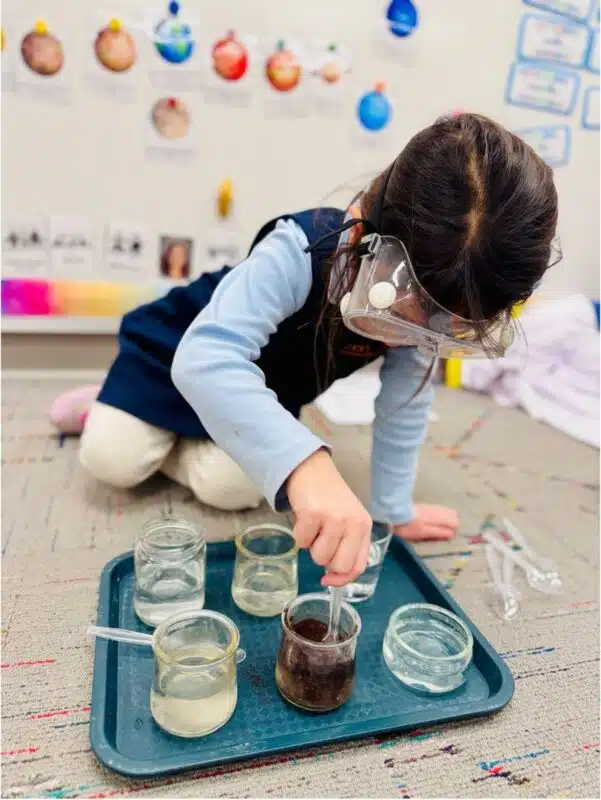
ISI follows the International Baccalaureate (IB) philosophy, emphasizing inquiry-based, student-centered learning that encourages curiosity, creativity, critical thinking, and a global perspective. In Pre-Elementary, learning is play-based and hands-on, allowing children to explore, ask questions, build relationships, and develop independence in a nurturing, language-rich environment.
How many children are in each class, and how are they grouped?
With a lead teacher and an assistant teacher in each classroom, the overall student-faculty ratio in pre-elementary classes is 8:1. Early Years (preschool) classrooms have a maximum of 16 students, and Kindergarten has a maximum of 18 students.
ISI utilizes multi-age classrooms for students ages three to four. The structure has cognitive and social development benefits for our preschool-age students and ensures they are prepared for kindergarten. The multi-age format offers greater flexibility to accommodate a wide range of abilities and address the unique needs of each student.
What is the teacher-to-child ratio?
Each classroom has a lead teacher and an assistant teacher, providing an overall student-to-faculty ratio of 8:1.

What are the teachers’ credentials?
ISI teachers bring a strong combination of educational experience, professional training, and international perspectives to the classroom. Our Pre-Elementary lead teachers are fluent in their target language and proficient in English, creating an immersive language environment while supporting each child's development.
Teachers are experienced in early childhood education and the International Baccalaureate (IB) Primary Years Programme (PYP), with an emphasis on play-based, inquiry-driven learning.
Is parent participation required?
No, parent participation is not required as part of ISI's Pre-Elementary program. However, we encourage families to be involved in the school community and their child's learning journey. Parents have many opportunities to see what their children are learning through classroom celebrations, student assemblies, performances, special events, and opportunities to share classroom experiences. Families are also welcome to volunteer, attend Parent Association meetings, and connect with other ISI families throughout the year.
How do teachers communicate with families, and how often do they send updates?
ISI prioritizes consistent communication between teachers and families. Pre-Elementary teachers share daily photos and classroom learning updates through the Seesaw app, giving parents a glimpse into their child's daily experiences. Families receive at least one email each week from their classroom teacher, along with a weekly community email from the Lower School Principal that shares school news, upcoming events, and important reminders. Parents can also connect directly with teachers and follow their child's progress through parent-teacher conferences, assemblies, performances, and classroom celebrations.

How much time do children spend outside?
Pre-Elementary students enjoy outdoor time every day, weather permitting! The daily schedule includes two outdoor play periods throughout the day.
Outdoor time is also an extension of the classroom. Teachers incorporate outdoor learning and exploration into the curriculum, giving children opportunities to observe nature, ask questions, engage in hands-on activities, and learn through play.

Are meals or snacks provided?
ISI provides a nutritious, hot lunch every school day, and the cost is included in tuition. Meals are prepared by ISI's in-house Food Services Team.
Pre-Elementary students generally bring their own morning snack and a refillable water bottle each day. Teachers provide classroom-specific snack instructions and communicate any allergy considerations. ISI can accommodate many dietary needs and restrictions, and all school-provided food is nut-free.
Do children need to be potty-trained?
Yes. All students need to be fully potty trained by the time they start at ISI. A fully potty-trained child is a child who can do the following:
- Walk to and sit on a toilet independently
- Pull down their pants and pull them up again
- Stay dry and accident-free all day, including nap time
- Communicate when they need to go to the restroom
Who should families contact for more information about ISI?
For more information, parents may contact the International School of Indiana’s Office of Admissions at [email protected] or 317-923-1951 x334.
Families also look at
Park Tudor School: Early Education Programs
Park Tudor's early education for age 3 through kindergarten, with a 1:7 teacher ratio.

Sycamore School: Early Learning Program
Early learning for gifted 3- to 5-year-olds at Sycamore School, with a 5:1 ratio.

The Orchard School: Early Learning Program
Progressive early learning for preschool and pre-K, with 5-day and 3-day options.