You don’t need to head to the airport for your next big trip. You can just visit The Children’s Museum of Indianapolis, whose newest exhibit, Take Me There®: Peru, is now open.
Focusing on contemporary life in Peru’s three major regions — the city and coast, mountains, and rainforest — the exhibit is packed with activities for children ages 3-10.
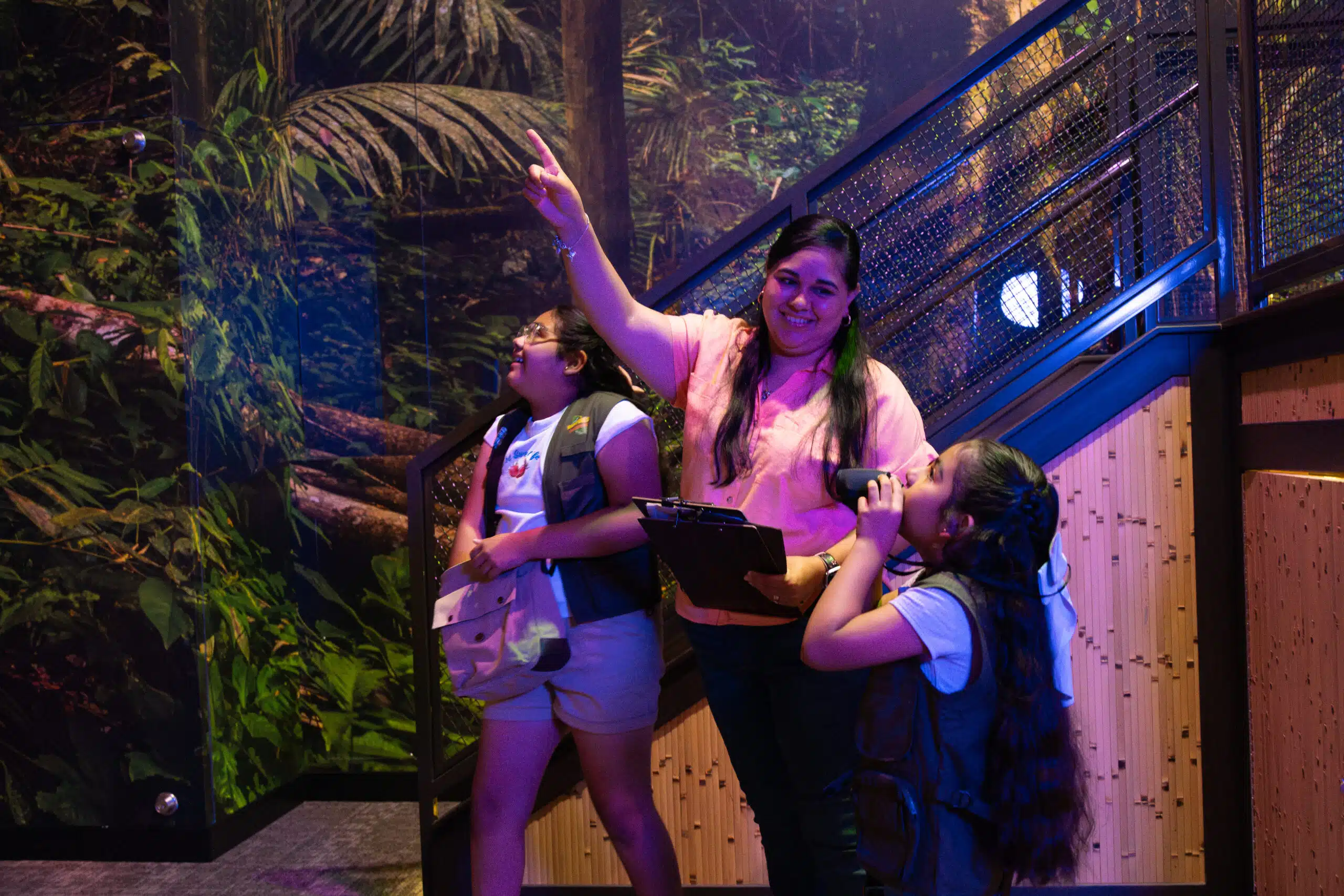
They can “cook” and serve Peruvian dishes, “brush” and “feed” ultra-soft baby alpacas (pretend ones, of course), “blend” fruits to make fresh juice, play traditional Peruvian instruments, take part in a community scientist research project, digitally create a woven textile, emboss a design onto a “silver” bracelet, and much more.

Fostering Cultural Awareness
The sights, sounds and activities of Take Me There: Peru were all developed with the exhibit’s important overarching goal in mind: Understanding similarities and differences in cultures fosters awareness, acceptance and respect for people from other societies and traditions. This understanding helps children grow into compassionate global citizens.
“Exposing children to a variety of cultures, traditions, people and places can support young children as they develop healthy and respectful perspectives about differences in our world and communities,” says Elyse Handel, early childhood education manager at The Children’s Museum.
“Even at a young age, children are developing an understanding of diversity and can practice showing respect, empathy, and acceptance for other children and families who may be different from them.”
Supporting Early-Childhood Development
The interactives in Take Me There: Peru that require touching, talking, creating and role-playing can have an especially big impact on early learners.
“When children physically play and interact, that supports their social-emotional development, as well as their cognitive, physical and language development,” Handel says, adding that these experiences lay the foundation for cultural awareness.
But not everything will be unfamiliar to children. When museum staff visited Oscar, Virginia, and Killary Barriga in Arequipa, Peru, they learned that 7-year-old Killary loves My Little Pony and Pokémon — just like millions of children in the United States. Part of the Barrigas’ re-created home features Killary’s favorite toys.
Recognizing and understanding these cultural similarities is valuable too.
“Taking the time to discuss or learn about ways we are similar, even if they aren’t visible, helps develop positive and respectful understandings, beliefs and attitudes toward others,” Handel points out.

Taking the Lessons Home
Adults, you can continue to instill cultural competency well after exploring Take Me There: Peru. Be mindful. You already know that children are perceptive and will follow your lead. If you show respect and care for other people, places, and religions, they will too. If you’re asking thoughtful questions and using positive language, they will too.
Handel also suggests attending fairs and festivals, museums and cultural institutions that recognize and celebrate cultures and communities other than your own. Several objects in The Children’s Museum’s Memories, Wonders, and Dreams: Stories from 100 Years exhibit are from global cultures.
Continue reading books that highlight traditions, customs and identities that are different from your family’s. Handel encourages parents to read the books ahead of time to ensure they’re a good match for your child’s development level and the types of experiences and exposure they have in their daily life.